marquis theater seating guide

Marquis Theatre Overview

The Marquis Theatre, a 1,600‑seat Broadway venue, boasts wide sightlines and modern acoustics. It hosts blockbuster shows and star‑led revivals, making it a go‑to stage for high‑energy productions. Its spacious layout ensures every audience member enjoys a clear view. Its elegant design enhancesview

Location and History

Located at 210 West 45th Street in the heart of Manhattan’s Theater District, the Marquis Theatre opened its doors in 1925. Its original name, the Marquis Theatre, reflected the opulent design of the era, featuring a plush interior, ornate plasterwork, and a grand chandelier that still hangs above the stage today. Over the decades, the venue has evolved, undergoing several renovations that modernized its acoustics and seating while preserving its historic charm. In the 1950s, the theater hosted the groundbreaking production of Tootsie, a show that would set a precedent for the venue’s reputation as a home for high‑profile, star‑led revivals. The 1970s saw a brief period of decline, but a comprehensive restoration in 1983 revitalized the space, reintroducing state‑of‑the‑art lighting and sound systems. By the early 2000s, the Marquis had firmly established itself as a premier destination for Broadway audiences, regularly featuring blockbuster hits such as Beetlejuice, The Drowsy Chaperone, and Evita. Today, the theater continues to attract top-tier productions, offering patrons an intimate yet expansive experience that blends classic Broadway aesthetics with contemporary performance technology. Its central location, just steps from Times Square, ensures easy access for both locals and tourists, while its historic ambiance provides a unique backdrop for every show. The Marquis Theatre remains a testament to New York’s enduring theatrical legacy, seamlessly marrying heritage with modernity to deliver unforgettable performances year after year.

Seating Capacity and Layout

The Marquis Theatre comfortably seats approximately 1,600 patrons, a figure that balances intimacy with the capacity to host large‑scale productions. The auditorium is divided into several distinct sections: the orchestra, which sits on a gently sloping floor directly in front of the stage; the mezzanine, positioned just above the orchestra and offering a slightly elevated view; and the balcony, which crowns the venue and provides a panoramic perspective of the performance. Each section is meticulously arranged to ensure that no seat is more than eighty feet from the stage, guaranteeing that every audience member enjoys a clear, unobstructed line of sight. The layout features three wide aisles that run the length of the theater, allowing for efficient ingress and egress while maintaining a sense of openness. Comfortable, ergonomically designed seats are spaced to provide ample legroom, and the overall design incorporates modern acoustics that enhance sound clarity throughout the venue. The combination of thoughtful seating geometry, generous aisle width, and state‑of‑the‑art acoustic treatment makes the Marquis a premier destination for both performers and theatergoers alike.

The auditorium’s acoustics are engineered with precision, featuring a 45‑foot high ceiling and strategically placed sound diffusers that ensure even sound distribution. Each seat’s placement is calculated to offer unobstructed views, and the theater includes accessible seating options, hearing‑aid devices, and staff assistance.

Seating Sections and Numbers

The Marquis Theatre’s seating is organized into three primary tiers: the Orchestra, the Mezzanine, and the Balcony. Each tier contains a specific range of seat numbers that correspond to their location and viewing angle. The Orchestra is divided into Rows A through L, with seat numbers 1–25 in Row A, 26–50 in Row B, and so on, culminating in Row L which contains seats 251–275. The Mezzanine spans Rows M through R, where Row M holds seats 276–300, Row N 301–325, Row O 326–350, Row P 351–375, Row Q 376–400, and Row R 401–425. The Balcony is the highest tier, covering Rows S through Z; Row S contains seats 426–450, Row T 451–475, Row U 476–500, Row V 501–525, Row W 526–550, Row X 551–575, Row Y 576–600, and Row Z 601–625. Each seat is identified by a combination of its row letter and seat number, such as “M12” or “V27.” The theater’s layout ensures that no seat is more than eighty feet from the stage, providing a consistent viewing experience across all sections. The wide aisles and strategically placed exit points facilitate easy navigation, while the seating arrangement maximizes both comfort and acoustics. The 45‑foot high ceiling and acoustic panels distribute sound evenly, creating an immersive experience for every audience member. The theater’s design prioritizes audience comfort and acoustics. Its acoustics ensure every note reaches the audience with clarity!!!!. All seats are designed comfort all

Best Seats in the Marquis Theatre

The most coveted spots are the center orchestra seats, directly in front of the stage. These seats offer optimal sightlines and acoustics, making them the premium choice for theatergoers seeking an immersive experience. They also offer unobstructed views.

Center Orchestra Seats

Center orchestra seats sit directly in front of the stage, offering a balanced perspective between intimacy and breadth. These seats are positioned at the heart of the auditorium, ensuring that every performer’s movement, costume detail, and musical nuance is captured with clarity. The proximity to the stage provides an almost cinematic experience, where the audience feels as if they are part of the action. In addition to superior sightlines, the acoustics in the center orchestra are engineered to deliver crisp dialogue and resonant sound, allowing patrons to hear every lyric and instrumental layer. The seating arrangement here is designed to avoid any obstructions, with wide aisles and ample legroom. Furthermore, the center orchestra is known for its dynamic lighting, ensuring that the stage’s visual storytelling is fully appreciated. For those seeking the ultimate Broadway experience, these seats command a premium price, reflecting their status as the most desirable location in the theater. Booking early is advisable, as demand consistently outpaces supply, especially for high‑profile shows and limited‑run productions. The combination of proximity, acoustics, and visual clarity makes center orchestra seats the gold standard for theater enthusiasts.

The layout of the center orchestra is symmetrical, with rows labeled A through L, each containing 20 seats. This uniformity ensures that every seat in the center section offers a comparable experience, eliminating disparities that can occur in peripheral areas. Additionally, the theater’s modern HVAC system maintains a comfortable temperature, while the lighting fixtures are calibrated to reduce glare, preserving the natural ambiance of the performance. Patrons in the center orchestra also benefit from priority access to the lobby, allowing them to enter and exit the venue with minimal wait times. For those who value convenience, the proximity to the restrooms and concession stands is also a notable advantage. Finally, the theater’s accessibility features, such as wheelchair-accessible seats and assistive listening devices, are available in the center orchestra, ensuring an inclusive experience for all audience members.

Moreover, the center orchestra seats are often the first to receive complimentary upgrades during special events, such as cast meet-and-greets or after-show receptions. The theater’s staff is trained to provide personalized assistance, ensuring that every guest feels valued. The combination of these factors—prime location, acoustic excellence, and enhanced amenities—solidifies the center orchestra as the pinnacle of seating within the Marquis Theatre.

Front Row Perks

Front‑row seats sit just inches from the stage, offering an immersive, up‑close experience that few other sections can match. Patrons in these seats can feel the vibrations of the orchestra, catch subtle facial expressions, and hear every whispered line as if it were spoken directly to them. The proximity also means that lighting cues are seen in real time, allowing the audience to appreciate the choreography of stage lights without delay. Because the front row is the closest to the stage, the acoustics are exceptionally clear; sound engineers position microphones to feed the front‑row speakers with a balanced mix that preserves both dialogue and musical accompaniment. In addition to the sensory advantages, front‑row patrons receive priority access to the lobby and exits, reducing wait times during intermission and after the show. Many theaters, including the Marquis, provide complimentary refreshments for front‑row ticket holders, and some productions offer exclusive meet‑and‑greet opportunities with the cast. The theater’s layout places the front row adjacent to the main entrance, so guests can enter and exit with minimal congestion. Accessibility features such as wheelchair‑accessible front‑row seats and assistive listening devices are also available, ensuring an inclusive experience for all. Finally, front‑row seats often come with a premium price tag, reflecting the unique value they provide to theater lovers who crave an intimate, front‑stage perspective. These seats also create a shared buzz among the audience everone.

Upper Orchestra Advantages

Upper orchestra seats sit a few rows above the main floor, offering a panoramic view that captures the full breadth of the stage and the elaborate set pieces. The elevated position allows audiences to see the choreography of dancers and the interplay between actors without the obstruction that can occur in the front rows. Because the seats are farther from the stage, the sound is evenly distributed, reducing the boom of loud instruments and creating a more balanced listening experience. The acoustics in the upper orchestra are finely tuned, ensuring that dialogue, music, and ambient sounds blend seamlessly. Additionally, the higher rows provide a more relaxed environment; patrons can enjoy the show without the pressure of being in the spotlight. The seats are often priced more affordably than front‑row or center orchestra, making them an attractive option for budget‑conscious theatergoers who still desire a quality view. Accessibility is another benefit: many upper‑orchestra seats are wheelchair‑accessible, and the theater’s wide aisles facilitate easy movement. Finally, the elevated perspective offers a unique sense of immersion, allowing viewers to appreciate the full scale of set design, lighting, and stagecraft from a slightly detached but comprehensive viewpoint. These seats also provide a comfortable viewing angle, minimizing glare from overhead lights and ensuring that every detail of the performance is captured with clarity. Moreover the view lets you catch subtle moves missed below therenow.

Seating Chart Details

The Marquis layout features a center orchestra, side aisles, and upper rows. Seat numbers run sequentially, with clear identification. Aisles provide easy access, and each section offers distinct sightlines, ensuring every patron enjoys optimal viewing. Enjoy the show!!!

See the stage from above.!!!

Row-by-Row Layout

The Marquis Theatre’s seating is organized into a series of concentric rows that radiate outward from the stage. The first twelve rows form the orchestra, with the center seats (rows 1–4) positioned directly in front of the stage and offering the most intimate view. Rows 5–8 provide a slightly elevated perspective, still close enough to feel the energy of the performers. Rows 9–12 are higher, giving a broader view of the entire stage while maintaining good acoustics. Beyond the orchestra, the mezzanine and balcony levels are divided into sections labeled A through D, each with its own set of aisles for easy access. The numbering system follows a logical progression: seats in the front rows carry lower numbers, while those in the upper levels receive higher numbers. This structure ensures that every seat is no more than eighty feet from the stage, preserving sightlines and sound quality. The layout also incorporates wide, well‑spaced aisles that allow patrons to move freely between rows without obstructing views. Additionally, the theatre’s design includes subtle architectural features such as recessed balconies and strategically placed armrests that enhance comfort and visibility. Whether you’re seated in the front orchestra or the upper balcony, the row‑by‑row arrangement guarantees a clear, unobstructed view of the performance, making the Marquis a premier destination for theater enthusiasts. Rows are numbered sequentially, letting patrons quickly locate their seats and plan arrival you.

Aisle Access and Views

The Marquis Theatre’s three wide aisles are strategically positioned to provide unobstructed access to every seat while preserving optimal sightlines. Each aisle is at least 24 inches wide, allowing patrons to move comfortably between rows without disturbing neighbors. The central aisle bisects the orchestra, ensuring that even the most forward seats have a direct line of sight to the stage. Side aisles flank the mezzanine and balcony sections, offering quick egress and convenient entry points for those seated farther from the front. Because no seat is more than eighty feet from the stage, the design guarantees that every audience member can enjoy a clear view regardless of their location. The aisles also serve as acoustic buffers, reducing echo and enhancing sound clarity throughout the venue. For guests with mobility needs, the theatre provides accessible aisle options that maintain the same level of sight quality. In addition, the wide passageways allow ushers to circulate efficiently, ensuring that seating assistance and emergency exits remain readily available. Overall, the thoughtful aisle configuration balances comfort, safety, and visual fidelity, making the Marquis Theatre a premier destination for theatergoers seeking both convenience and an exceptional viewing experience. The theatre’s design also incorporates subtle lighting cues that enhance stage visibility, ensuring that every patron, regardless of seat, enjoys a consistently immersive experience. Today!.

Seat Numbers and Identification

In the Marquis Theatre, seats are identified by a combination of row letters and seat numbers, creating a clear and intuitive system for patrons. Rows in the orchestra are labeled from A at the front to L near the back, while the mezzanine and balcony use M through Z. Each row contains 25 seats, numbered 1 through 25 from the left side of the stage to the right. For example, seat 12 in row G is written as G12, indicating its position in the middle orchestra. The numbering system extends to the upper levels, where seats 1–25 in row N are labeled N1–N25, and so on. This uniform approach allows ticket holders to quickly locate their seats and facilitates efficient seating during entry. Additionally, the theatre’s digital ticketing platform displays seat coordinates in the same format, ensuring consistency across printed tickets, mobile passes, and online confirmations. The use of a simple alphanumeric code eliminates confusion, especially during rush hours or for first‑time visitors. Patrons can also verify their seat location by consulting the theatre’s interactive seating chart, which highlights the row and number in real time. By adhering to this standardized identification method, the Marquis Theatre enhances the overall customer experience, reducing wait times and improving the accuracy of seat assignments. The system also supports accessibility features, as seats designated for wheelchair users are clearly marked with a wheelchair symbol next to the standard row and number notation. This thoughtful design ensures that every audience member, regardless of seating preference, can navigate the theatre with confidence and ease. The theatre also offers a QR code on each ticket that, when scanned, displays the seat’s exact location on a digital map. This feature is especially useful for groups or families traveling together, as it allows them to verify that their seats are adjacent. In addition, the theatre’s staff is trained to read the alphanumeric codes quickly, ensuring that guests are seated promptly. For those who prefer a physical reference, the theatre’s lobby displays a large wall chart that lists all rows and seat numbers, providing a quick visual guide. The consistent use of letters and numbers across all seating sections—whether in the orchestra, mezzanine, or balcony—helps maintain a cohesive and user‑friendly environment. This system also supports the theatre’s ticketing software, which can automatically assign seats based on availability and customer preferences. By integrating the seat identification system with real‑time inventory, the Marquis Theatre can offer dynamic pricing and last‑minute seat upgrades. Overall, the seat numbering and identification strategy is a cornerstone of the theatre’s commitment to service excellence, ensuring that every patron can find and enjoy their seat with minimal hassle.

Tickets and Pricing Tips

Check real‑time prices, grab season tickets for savings, and book early—mid‑week shows often have lower rates. Use official sites or reputable resellers to avoid inflated fees. Consider last deals on the day of the show, but be prepared for higher prices. —book now

Real‑Time Pricing

Marquis Theatre’s ticket prices fluctuate in real time, reflecting demand, show popularity, and seat location. The official box office and online platforms update rates every 15–30 minutes, ensuring patrons see the most current figures. For high‑profile productions, early‑bird prices often start at $120 for center orchestra seats, while last‑minute tickets can surge to $250 or more. Conversely, mid‑week matinees and less‑in‑demand shows may offer discounted rates as low as $45 for upper balcony seats. To secure the best deal, check the theatre’s official website or authorized ticketing partners, which display a live price indicator next to each seat. Some platforms allow you to set price alerts, notifying you when a seat drops below a target threshold. Additionally, the Marquis Theatre offers a “Dynamic Pricing” model that adjusts prices based on real‑time seat inventory and audience demand, meaning that a seat that was $80 yesterday could be $95 today if the show is selling fast. For season ticket holders, the theatre provides a fixed rate per show, but they can still benefit from early‑access to real‑time pricing for special events. Finally, be aware that third‑party resale sites often add a service fee, inflating the final cost; purchasing directly from the theatre’s official channels typically yields the lowest price. By monitoring real‑time pricing, you can time your purchase to align with price drops, ensuring you get the best value for your seat choice. By staying alert to price changes, you can secure seats that match your budget while still enjoying the best possible view today.!!!.

Many patrons use the Marquis Theatre’s mobile app, which streams live seat availability and price changes in real time. The app’s push notifications alert users when a seat in their preferred section drops below a set price, allowing them to act swiftly before the window closes. For those who prefer to avoid the digital route, the theatre’s phone line offers a live chat feature that updates customers on current pricing and seat availability. This real‑time approach ensures transparency and helps audiences make informed decisions, especially during high‑demand periods such as opening nights or holiday performances. By leveraging these tools, you can navigate the dynamic pricing landscape and secure seats that fit both your budget and your desired viewing experience.

Season Tickets and Discounts

Season tickets at the Marquis Theatre offer a bundled rate for a set number of performances, typically ranging from 10 to 20 shows per season. The fixed price per show is usually 15–20% lower than single‑ticket purchases, making it an attractive option for regular patrons. In addition to the base discount, season ticket holders receive priority access to high‑demand shows, allowing them to secure seats in the most coveted sections before the general public. Some productions also provide a complimentary upgrade to a premium seat if the holder’s original selection is sold out. For students, seniors, and military personnel, the theatre offers a further 10% discount on season packages, provided valid identification is presented at the box office. The discount structure is tiered: the first 10 seats in a season are discounted by 10%, the next 10 by 15%, and any additional seats by 20%. This progressive model encourages early commitment and rewards loyal audiences. Additionally, the Marquis Theatre partners with local community organizations to offer discounted season tickets to members of those groups, fostering a broader cultural engagement. Seasonal passes can be purchased online or in person, and the theatre’s automated system confirms availability and applies the appropriate discount codes at checkout. By investing in a season ticket, patrons secure lower per‑show cost but gain flexibility. This arrangement guarantees a consistent seat selection and a predictable budget throughout the season.!!

Best Time to Book

Timing your purchase can dramatically affect both price and seat selection. For marquee productions, the optimal window is 4–6 weeks before the opening night, when the box office releases the first tier of premium seats at a reduced rate. This period aligns with the theatre’s “early‑bird” policy, offering up to a 25% discount on center‑orchestra seats that would otherwise be sold at full price. If you prefer a more flexible schedule, consider booking 2–3 weeks out; during this phase the theatre often releases a second wave of discounted seats, especially in the upper orchestra and mezzanine, as the demand curve begins to flatten. For last‑minute plans, the day‑of‑show policy can be advantageous: the box office typically opens a special “rush” window 30 minutes before curtain‑up, allowing patrons to snag seats in the front rows at a 30% markdown. This is ideal for spontaneous theatergoers, though the selection is limited to the remaining inventory. Additionally, the Marquis Theatre’s mobile app provides real‑time alerts for price drops, enabling users to act swiftly when a seat in their preferred section drops below the threshold. Seasonal ticket holders benefit from a dedicated booking portal that grants early access to new season releases, often 48 hours before the public sale. By aligning your purchase with these strategic windows, you maximize value while ensuring the best possible viewing experience. The theatre also offers a dynamic pricing model that adjusts seat costs based on real‑time demand. By monitoring the box office dashboard, savvy buyers can identify moments when prices dip, often during weekday matinees or when a popular show’s cast changes. For those who value convenience, the Marquis Theatre’s online reservation system allows instant seat confirmation, eliminating the risk of last‑minute disappointment. Finally, subscribing to the theatre’s newsletter grants early notification of special promotions, ensuring you never miss a chance to secure a seat at a reduced rate. Moreover, the theatre’s loyalty program rewards frequent attendees with exclusive perks such as backstage passes, complimentary program booklets, and priority seating for future performances, making it a worthwhile investment for theater enthusiasts.
tekonsha brake controller user manual

Welcome to the Tekonsha Brake Controller User Manual. This guide provides essential information for safe and effective use of the controller, covering installation, programming, operation, troubleshooting, and maintenance. Follow the steps carefully to ensure optimal performance. Use this manual for all tasks.!!

Purpose of the Manual

The purpose of this Tekonsha Brake Controller User Manual is to provide a comprehensive, step‑by‑step reference that enables vehicle owners, technicians, and fleet operators to safely install, configure, and maintain the Tekonsha brake controller system. This manual serves as the definitive source of information for all aspects of the product, from initial setup to advanced troubleshooting, ensuring optimal performance and compliance with safety regulations.

Designed for both novice users and seasoned professionals, the manual begins with a concise overview of the Tekonsha Brake Controller’s architecture, highlighting its modular design, compatibility with a wide range of vehicle makes, and the safety features that protect drivers and passengers. It explains the controller’s integration with the vehicle’s existing braking system, detailing the electrical interface, signal processing, and the role of the controller in modulating brake pressure. The manual also provides a clear description of the user interface, including the on‑board display, remote control functions, and the intuitive menu system that allows for quick adjustments. See Appendix A for details. p.12 The manual’s purpose is to empower users with knowledge, reduce installation errors, and facilitate efficient maintenance, ultimately extending the lifespan of the brake controller and enhancing overall vehicle safety.

Product Overview

Welcome to the Tekonsha Brake Controller User Manual. This guide provides essential information for safe and effective use of the controller, covering installation, programming, operation, troubleshooting, and maintenance. Follow the steps carefully to ensure optimal performance. Use this manual for all tasks. Enjoy Safe. All

Key Features of Tekonsha Brake Controller

The Tekonsha Brake Controller delivers precise, adaptive braking for trailers and caravans. Its compact, weather‑sealed housing protects against dust, moisture, and temperature extremes. A digital display shows brake force, battery status, and diagnostics in real time. An intuitive 3‑way dial lets users fine‑tune braking for light or heavy loads, while a safety lock prevents accidental over‑braking. The unit supports CAN‑bus and LIN communication, enabling seamless integration with modern vehicle electronics. Low‑power design extends battery life, ideal for long‑haul use. Built‑in fault‑detection alerts drivers to low voltage, sensor failures, or communication errors, reducing downtime. Modular firmware allows future updates, keeping the system compatible with evolving technologies. The controller’s ergonomic backlit button panel remains visible in low light, and braking curves adjust based on speed and load distribution, reducing wear and improving fuel efficiency. An optional wireless remote module allows remote activation of the braking system, useful for large trailers. Compliance with ISO 26262 and UNECE standards guarantees safety and reliability. Technical support and an online knowledge base help users troubleshoot quickly and maintain optimal performance. Key features include: • Adaptive braking curve for smooth deceleration • 3‑way force adjustment • CAN‑bus/LIN compatibility • Weather‑sealed enclosure • Low‑power consumption • Built‑in fault detection • Remote activation module • ISO 26262/UNECE compliance • Comprehensive support. The firmware is modular, allowing OTA updates that introduce new algorithms and improve performance without hardware changes. Its ergonomic design ensures that the backlit controls remain visible even in foggy or nighttime conditions, giving drivers confidence in every braking scenario. driving conditions.

Installation Guide

Mount the Tekonsha controller on the vehicle’s dash, ensuring the mounting bracket is secure. Connect the power lead to the 12V source, then wire the brake signal to the trailer’s brake line. Verify all connections, then test the system before driving.!! Ensure all connections are tight.

Step‑by‑Step Mounting and Wiring

Mount the controller on the dash using the supplied bracket, ensuring the screws align with the dash holes. 2. Route the 12 V power cable along the vehicle’s wiring harness, securing it with zip ties and avoiding moving parts. 3. Connect the red wire to the 12 V source and the black wire to the vehicle’s ground. 4. Wire the brake output to the trailer’s brake line with the supplied connector, checking polarity. 5. Verify all connections, tighten loose screws, and ensure cables are not pinched. 6. Test the system by pressing the brake pedal; the controller’s LED should flash once per press. 7. Adjust cable tension so the brake cable is taut but not overly tight to prevent drag. 8. Document the serial number, installation date, and any notes. 9. Perform a short test drive to confirm proper operation. 10. Verify the controller’s alarm function is active and the brake pedal returns to neutral. 11. If calibration is required, follow the manufacturer’s procedure before finalizing. 12. Conduct a full brake test at low speed to ensure smooth engagement. This guide provides a secure, reliable installation that meets safety standards and delivers optimal brake performance. All steps should be performed in a well‑ventilated area to avoid fumes from soldering. OK!

Programming and Configuration

Access the controller’s menu via the remote or onboard display. Use the arrow keys to navigate to the brake force setting, then adjust the slider to match the trailer weight. Save settings, then test by applying the brake. Fine‑tune sensitivity if needed. Confirm all changes before use.Fine‑tune for braking now

Setting Brake Force and Sensitivity

To calibrate the brake force, first ensure the vehicle is parked on a level surface. Turn the engine on and engage the brake controller’s power switch. Use the remote’s “+” and “–” buttons to increase or decrease the brake force slider until the trailer’s brakes apply at the desired intensity. For heavier trailers, set a higher force value; for lighter loads, lower it to avoid excessive braking.

Adjusting sensitivity involves fine‑tuning the controller’s response to the remote’s signal. Navigate to the “Sensitivity” menu, then use the arrow keys to select a value between 1 (low) and 10 (high). A lower setting reduces the controller’s reaction time, making the brakes engage more gradually, while a higher setting triggers faster braking. Test the changes by applying the remote’s “Brake” command and observing the trailer’s response. If the brakes feel too abrupt, lower the sensitivity; if they lag, increase it.

After setting both parameters, press the “Save” button to lock in the configuration. Verify the settings by performing a short test drive, checking that the trailer’s brakes activate smoothly and that the vehicle’s handling remains stable. If any issues arise, revisit the settings and adjust accordingly. Proper calibration ensures safety, reduces wear, and extends the lifespan of both the controller and the trailer brakes.

Use these settings to fine‑tune your braking experience. Adjust as needed for different loads or driving conditions, ensuring consistent and safe operation. Keep safe.!

Operation Instructions

Using the Remote and On‑Board Controls

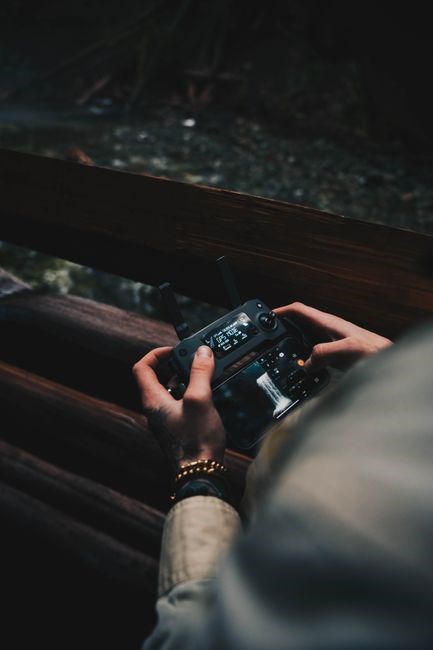
Use the remote’s “Brake” button to engage trailer brakes while driving. The controller applies proportional force based on preset settings. For manual override, press the “On‑Board” button to activate brakes independently. Monitor brake lights for proper functionUsedisplayfor real‑timeChecklivestatusnownow!

Mount the remote on the driver’s seat or steering column. The single “Brake” button activates proportional braking based on acceleration and deceleration. The controller interprets driver input and applies appropriate force to the trailer’s wheels. The on‑board display shows brake status, battery voltage, and signal strength. Press the “On‑Board” button to engage brakes manually for emergencies.

The LED indicator flashes green during normal operation and amber when a fault occurs. Verify trailer brake lights illuminate when the remote is used; if not, inspect wiring and fuse. The “Hold” function keeps brakes engaged for a preset time—hold the “Brake” button for two seconds to activate; LED turns solid blue. Adjust brake force sensitivity with the on‑board dial: clockwise increases force, counterclockwise decreases it. Test by accelerating gently and braking to ensure smooth response.

In case of power loss, the trailer’s emergency brake will engage if equipped. Listen for the controller’s audio cue and check the error code on the display; refer to troubleshooting for meanings. Inspect the remote button for wear and replace the battery annually. The controller is removable: disconnect the harness, release screws, swap units. Maintain safe following distance and avoid abrupt maneuvers; the controller mitigates wheel lock‑up but driver vigilance remains essential. Follow the manufacturer’s recommended service interval to keep the system reliable and safe. Ensure all connections are tight before drivingSafety first

Troubleshooting

If the brake controller fails to respond, check the power supply, fuse, and wiring. Verify the remote button is functioning and the on‑board display shows normal voltage. Reset the unit by disconnecting the battery for 30 seconds. If problems persist, contact support.Check wiring, grounding. Seek help ifneeded.

Common Problems and Fixes

Below are frequent issues users encounter with the Tekonsha brake controller, along with step‑by‑step solutions. Follow each step carefully to restore normal operation.

  • Issue 1: No response to remote button. Check battery and remote alignment. If still unresponsive, inspect receiver cable for damage.
  • Issue 2: Low voltage warning. Verify battery charge and regulator. Replace regulator if voltage drops below 12 V.
  • Issue 3: Delayed brake activation. Adjust sensitivity via on‑board menu. Inspect brake line for kinks or air pockets.
  • Issue 4: Intermittent operation. Clean ground strap and secure connections. Reboot unit after cleaning.
  • Issue 5: Error code “E‑12”. Reset controller by disconnecting battery for 30 seconds. Replace communication module if error persists.
  • Issue 6: Remote battery drains quickly. Replace remote battery and check for leaks. If short life continues, replace remote unit;
  • Issue 7: Controller overheats. Ensure ventilation slots are clear. Move unit to cooler area if possible. Replace heat sink if overheating continues.

For unresolved issues, consult the troubleshooting guide in the appendix or contact Tekonsha support for further assistance. Maintaining a clean, well‑wired system is key to reliable brake performance.

Additional note: Refer to the full technical documentation or contact the authorized service center for assistance. immediately. OK

Maintenance & Care

Regular cleaning of the controller surface and inspection of wiring connections prevent corrosion and ensure reliable performance. Use a soft cloth and mild detergent. Check for loose screws, replace worn seals, and store the unit in a dry environment when not in use. Inspect battery terminals, clean with brush

Cleaning and Inspection Tips

Begin each cleaning session by disconnecting the controller from power to avoid accidental activation. Use a microfiber cloth lightly dampened with a 50/50 mix of distilled water and isopropyl alcohol. Gently wipe the exterior, paying special attention to the edge seals and any recessed areas where dust may accumulate. Avoid harsh abrasives or excessive moisture, which can damage the internal components.

Inspect the wiring harness for signs of wear, fraying, or corrosion. Tighten any loose connectors with a Phillips screwdriver, ensuring a snug fit without over‑tightening. Replace any damaged cables with OEM replacements to maintain signal integrity. Check the mounting brackets for rust or loosening; use a rust‑inhibiting spray if necessary and re‑tighten bolts with a torque wrench set to the manufacturer’s specification.

Perform a functional test after cleaning. Re‑connect the controller, engage the brake function, and observe the response. Verify that the brake force setting matches the vehicle’s specifications and that the controller’s LED indicators reflect proper operation. Document any anomalies in a maintenance log, noting date, action taken, and any parts replaced. Schedule a full inspection every 12 months or after any significant impact event to ensure long‑term reliability.

Before final deployment, double‑check all connections for tightness and ensure no exposed wires. Verify firmware is current. Perform a low‑speed brake test to confirm smooth operation, then record the results in the log. Also, inspect the mounting hardware for wear!!

liftmaster professional manual

Overview of Liftmaster Professional Series

The Liftmaster Professional Series offers advanced garage door automation with robust motor, integrated safety sensors, and versatile remote options. Designed for commercial use, it delivers reliable performance, easy programming, and comprehensive support. Ideal for high traffic, supports multi‑zone control

Hardware Components

The Liftmaster Professional Series hardware is engineered for durability and performance. At its core is a high‑torque, 2‑phase AC motor rated at 1.5 HP, capable of lifting heavy doors up to 1,200 lb with smooth acceleration. The motor is coupled to a 2‑pole, 4‑wire control module that supports both wired and wireless communication, ensuring reliable operation in noisy electrical environments.

Integrated safety features include dual‑sensor safety rails, a built‑in limit switch, and an overload protection circuit that automatically shuts the motor down if resistance exceeds 10 A. The safety rails are mounted on the door track and provide a 12‑inch clearance to prevent accidental contact with the door edges.

The controller board houses a microprocessor with 256 KB flash memory, allowing for firmware updates and custom programming. It supports 120 V/60 Hz AC input and features a 24‑V DC output for remote battery backup. The board also includes a 4‑wire terminal block for connecting external sensors or a home‑automation hub.

Power supply is a 120 V/60 Hz AC transformer with a 24 V DC regulator. The transformer is rated at 1.5 HP and includes a 3‑phase cooling fan. The regulator provides a stable 24 V output with ±5 % tolerance, ensuring consistent motor performance.

Accessories include a 5‑wire remote receiver, a 2‑way radio module, and a 12‑V battery pack for backup power. The remote receiver is compatible with both 315 MHz and 433 MHz frequencies, allowing for installation in environments.

Safety and Compliance

All Liftmaster Professional Series components meet or exceed the most stringent safety standards, including UL 2259, CE, and FCC Part 15. The motor, controller, and safety rails are designed to prevent accidental contact, with dual‑sensor safety rails that trigger an immediate motor shutdown if the door is obstructed. The integrated limit switch and overload protection circuit provide an additional layer of safety, stopping the motor when resistance exceeds 10 A.

The Liftmaster Professional Series also incorporates advanced diagnostics that log fault codes to the controller’s memory, enabling technicians to quickly identify issues. All components are certified under the ISO 9001 quality management system, ensuring consistent manufacturing quality. For users in regulated industries, the system supports integration with Building Management Systems (BMS) and can be configured to meet local fire and safety codes. Regular firmware updates maintain compliance with evolving standards, and the manufacturer provides detailed documentation for audit purposes.

Compliance documentation is available in PDF format, detailing installation, safety, and maintenance procedures. Firmware supports over‑the‑air updates, keeping safety features current with regulations. Users can monitor system health via a web interface that displays real‑time diagnostics and logs. The Liftmaster Professional Series meets commercial demands while adhering to strict safety and quality standards.

Installation Preparation

Before installing the Liftmaster Professional Series, gather all listed components and verify each part’s integrity. Confirm that the garage frame is level and that the door track is clear of debris. Measure the clearance between the door and the ceiling; the minimum required clearance is 2 inches to allow safe operation. Verify the existing power supply can handle the motor’s 120 V, 60 Hz requirement and that the circuit breaker is rated for 15 A. Install a dedicated 15‑amp circuit if one does not exist, and confirm that the neutral and ground wires are properly bonded to the building’s grounding system. Use a multimeter to confirm correct voltage at the motor terminals before powering on. Install the safety rails on both sides of the track, spacing them 2 inches apart, and tighten all mounting screws to the manufacturer’s torque specifications. Attach the limit switches to the door’s travel endpoints, ensuring they are aligned with the motor’s travel path. Connect the controller’s power leads to the circuit, observing polarity, and secure the controller in a weather‑proof enclosure. Finally, perform a manual test of the door’s open and close cycles, checking for smooth movement and proper sensor activation. Document all measurements and any deviations from the standard installation procedure for future reference. Once the installation is complete, run a full diagnostic to confirm that all components are operating within specified parameters. Store the installation log for maintenance records and future troubleshooting. Safety checks are complete, and the system is ready for operation. All checks now!!! Proceed now!!!

Wiring and Power Connections

Before connecting the Liftmaster Professional Series motor, verify that the power supply meets the 120 V, 60 Hz requirement and that the circuit breaker is rated for 15 A; Use a dedicated 15‑amp circuit and ensure the neutral and ground wires are properly bonded to the building’s grounding system. Connect the motor’s power leads to the controller, observing polarity: the black (hot) wire to the controller’s + terminal, the white (neutral) to the controller’s – terminal, and the green or bare copper to the ground terminal. Secure all connections with insulated wire nuts and torque the mounting screws to the manufacturer’s specifications. Install a 5‑amp fuse in the power line before the controller to protect against overcurrent. Verify voltage at the motor terminals with a multimeter before energizing the system. Attach the controller’s power leads to the 120 V supply, ensuring the neutral is connected to the controller’s neutral terminal and the ground to the controller’s ground terminal. Use a cable gland to seal the cable entry point and prevent moisture ingress. After wiring, perform a continuity test on the safety sensors and limit switches to confirm proper operation. Finally, run a manual test of the door’s open and close cycles, checking for smooth movement and correct sensor activation. Document all wiring schematics and keep a copy of the installation log for future reference. Safety first: double‑check all connections before applying power. Once verified, the system is ready for programming and operation. Wiring must use color‑coded connectors.

Programming the Controller

To program the Liftmaster Professional Series controller, first ensure the system is powered and all safety sensors are functioning. Press and hold the program button on the controller for 5 seconds until the LED blinks rapidly, indicating programming mode. Use the remote’s button panel to assign the open, close, and stop functions: press the desired remote button, then press the corresponding function button on the controller. Repeat for each remote. After assigning all functions, press the program button again to exit programming mode; the LED should remain steady. Verify operation by pressing the remote buttons and observing the door’s response. If the door does not respond, re‑program the remote or check the wiring. For advanced settings, connect a PC to the controller via the USB port, launch the Liftmaster configuration software, and adjust parameters such as travel limits, speed, and safety override. Save changes and reboot the controller. Always document the remote codes and controller settings in the installation log. Follow local electrical codes and manufacturer guidelines throughout the process. If issues persist, consult the troubleshooting guide or contact technical support. install a battery backup unit to maintain controller operation power outages, door can be opened or closed remotely. Verify battery voltage rating and replace every five years to guarantee reliability. All steps comply. OK!!!

Remote Control Setup

Begin selecting a remote that matches the Liftmaster Pro specifications. Ensure battery fully charged now. The remote’s battery is charged and the LED indicator functions. Locate the controller’s programming button, typically a small recessed button on the back panel. Press and hold the button for 5 seconds until the LED flashes rapidly, signaling into programming mode. While still in programming mode, press the remote’s desired button (e.g., open, close, or emergency stop). The controller will register the signal and the LED will flash once to confirm successful pairing. Repeat the process for each remote device you wish to add, making sure to assign distinct functions to avoid conflicts. After all remotes are programmed, press the programming button again to exit the mode,the LED should remain steady, indicating readiness. Test each remote by commanding the door to open and close; observe the door’s movement and ensure safety sensors engage properly. If a remote fails to respond, re-enter programming mode and re‑pair the remote, check for signal interference from nearby devices! For advanced configuration, connect the controller to a computer via the USB port and use the Liftmaster software to adjust parameters such as travel limits, speed, and safety override settings. Save any changes and reboot the controller. Finally, document all remote codes and controller settings in the installation log for future reference. This completes the remote control setup for the Liftmaster Professional Series.

Troubleshooting Guide

Common issues with the Liftmaster Professional Series include unresponsive remotes, motor stalls, safety sensor failures, and intermittent power. Verify the power supply: ensure the 120 V circuit breaker is on, the outlet is grounded, and the controller’s LED lights up. If the LED remains off, replace the controller’s internal fuse or check the wiring harness for loose connections. For remote problems, confirm the remote battery is fresh and the remote’s LED flashes when pressed. Re‑program the remote using the controller’s programming button; a rapid LED blink indicates entry into pairing mode, and a single flash confirms a successful link. Motor stalls often result from overloaded or misaligned tracks. Inspect the rollers and tracks for debris, and use a lubricant designed for garage door systems. If the door stops mid‑cycle, check the safety sensors: clean the sensor lenses, adjust the alignment so the beams cross, and verify the sensor LEDs remain steady. Intermittent operation can stem from a failing motor controller. Reset the controller by unplugging it for 30 seconds, then reconnecting. If the problem persists, update the firmware via the manufacturer’s software; ensure the USB connection is secure and the computer’s antivirus does not block the update. For noise or vibration, tighten all mounting bolts, replace worn springs, and ensure the door’s balance is correct by adjusting the counterweight. If the door fails to open or close after these steps, consult the error code displayed on the controller’s LED panel, refer to the error code table in the manual, and contact Liftmaster support for advanced diagnostics.

Routine Maintenance

Regular upkeep of the Liftmaster Professional Series guarantees longevity and performance. Begin each cycle by inspecting the track for debris, ensuring it is free of leaves, nails, or paint chips that can impede movement. Clean the rollers with a damp cloth and a mild detergent; dry thoroughly to prevent rust. Check the safety sensors nightly: wipe the lenses with a soft, lint‑free cloth, confirm alignment, and replace any damaged housings. Test the door balance by lifting it to the halfway point; if it drops or rises, adjust the counterweight tension using the adjustment screw on the motor bracket. Verify the door’s springs are intact; replace any that show signs of wear or corrosion. Inspect the wiring harness for frayed insulation or loose connections; secure with zip ties and replace damaged segments. Periodically run the door through all positions—open, close, and reverse to ensure smooth operation. Monitor the controller’s LED status; a steady green indicates normal function, while flashing patterns signal errors that require attention. Log maintenance activities in a service journal, noting dates, parts replaced, and any anomalies observed. Schedule professional service every 12 months to perform a comprehensive inspection, update firmware, and replace worn components. By adhering to this routine, you’ll reduce downtime, extend component life, and maintain safety compliance for the Liftmaster Professional Series.————————————————————————————————————————————————————————————————————————————————————————————————————————————————————————————————————————————————————————————————————————————————————————————————————————————————————————————————————————————————————————————————————————————————————————————————————————————————————————————————————————————————————————————————————————————————————————————————————————————————————————————————————————————————————————————————————————————————————————————————————————————————————————————————————————————————————————————————————————————————————————————————————————————————————————————————————————————————————————————————————————————————————————————————————————————————————————————————————————————————————————————————————————————————————————————————————————————————————————————————————————————————————————————————————————————————————————————————————————————————————————————————————————————————————————————————————————————————————————————————————————————————————————————————————————————————————————————————————————————————————————————————————————————————————————————————————————————————————————————————————————————————————————————————————————————————————————————————————————————————————————————————————————————————————————————————————————————————————————————————————————————————————————————————————————————————————————————————————————————————————————————————————————————————————————————————————————————————————————————————————————————————————————————————————————————————————————————————————————————————————————————————————————————————————————————————————————————————————————————————————————————————————————————————————————————————————————————————————————————————————————————————————————————————————————————————————————————————————————————————————————————————————————————————————————————————————————————————————————————————————————————————————————————————————————————————————————————————————————————————————————————————————————————————————————————————————————————————————————————————————————————————————————————————————————————————————————————————————————————————————————————————————————————————————————————————————————————————————————————————————————————————————————————————————————————————————————————————————————————————————————————————————————————————————————————————————————————————————————————————————————————————————————————————————————————————————————————————————————————————————————————————————————————————————————————————————————————————————————————————————————————————————————————————————————————————————————————————————————————————————————————————————————————————————————————————————————————————————————————————————————————————————————————————————————————————————————————————————————————————————————————————————————————————————————————————————————————————————————————————————————————————————————————————————————————————————————————————————————————————————————————————————————————————————————————————————————————————————————————————————————————————————————————————————————————————————————————————————————————————————————————————————————————————————————————————————————————————————————————————————————————————————————————————————————————————————————————————————————————————————————————————————————————————————————————————————————————————————————————————————————————————————————————————————————————————————————————————————————————————————————————————————————————————————————————————————————————————————————————————————————————————————————————————————————————————————————————————————————————————————————————————————————————————————————————————————————————————————————————————————————————————————————————————————————————————————————————————————————————————————————————————————————————————————————————————————————————————————————————————————————————————————————————————————————————————————————————————————————————————————————————————————————————————————————————————————————————————————————————————————————————————————————————————————————————————————————————————————————————————————————————————————————————————————————————————————————————————————————————————————————————————————————————————————————————————————————————————————————————————————————————————————————————————————————————————————————————————————————————————————————————————————————————————————————————————————————————————————————————————————————————————————————————————————————————————————————————————————————————————————————————————————————————————————————————————————————————————————————————————————————————————————————————————————————————————————————————————————————————————————————————————————————————————————————————————————————————————————————————————————————————————————————————————————————————————————————————————————————————————————————————————————————————————————————————————————————————————————————————————————————————————————————————————————————————————————————————————————————————————————————————————————————————————————————————————————————————————————————————————————————————————————————————————————————————————————————————————————————————————————————————————————————————————————————————————————————————————————————————————————————————————————————————————————————————————————————————————————————————————————————————————————————————————————————————————————————————————————————————————————————————————————————————————————————————————————————————————————————————————————————————————————————————————————————————————————————————————————————————————————————————————————————————————————————————————————————————————————————————————————————————————————————————————————————————————————————————————————————————————————————————————————————————————————————————————————————————————————————————————————————————————————————————————————————————————————————————————————————————————————————————————————————————————————————————————————————————————————————————————————————————————————————————————————————————————————————————————————————————————————————————————————————————————————————————————————————————————————————————————————————————————————————————————————————————————————————————————————————————————————————————————————————————————————————————————————————————————————————————————————————————————————————————————————————————————————————————————————————————————————————————————————————————————————————————————————————————————————————————————————————————————————————————————————————————————————————————————————————————————————————————————————————————————————————————————————————————————————————————————————————————————————————————————————————————————————————————————————————————————————————————————————————————————————————————————————————————————————————————————————————————————————————————————————————————————————————————————————————————————————————————————————————————————————————————————————————————————————————————————————————————————————————————————————————————————————————————————————————————————————————————————————————————————————————————————————————————————————————————————————————————————————————————————————————————————————————————————————————————————————————————————————————————————————————————————————————————————————————————————————————————————————————————————————————————————————————————————————————————————————————————————————————————————————————————————————————————————————————————————————————————————————————————————————————————————————————————————————————————————————————————————————————————————————————————————————————————————————————————————————————————————————————————————————————————————————————————————————————————————————————————————————————————————————————————————————————————————————————————————————————————————————————————————————————————————————————————————————————————————————————————————————————————————————————————————————————————————————————————————————————————————————————————————————————————————————————————————————————————————————————————————————————————————————————————————————————————————————————————————————————————————————————————————————————————————————————————————————————————————————————————————————————————————————————————————————————————————————————————————————————————————————————————————————————————————————————————————————————————————————————————————————————————————————————————————————————————————————————————————————————————————————————————————————————————————————————————————————————————————————————————————————————————————————————————————————————————————————————————————————————————————————————————————————————————————————————————————————————————————————————————————————————————————————————————————————————————————————————————————————————————————————————————————————————————————————————————————————————————————————————————————————————————————————————————————————————————————————————————————————————————————————————————————————————————————————————————————————————————————————————————————————————————————————————————————————————————————————————————————————————————————————————————————————————————————————————————————————————————————————————————————————————————————————————————————————————————————————————————————————————————————————————————————————————————————————————————————————————————————————————————————————————————————————————————————————————————————————————————————————————————————————————————————————————————————————————————————————————————————————————————————————————————————————————————————————————————————————————————————————————————————————————————————————————————————————————————————————————————————————————————————————————————————————————————————————————————————————————————————————————————————————————————————————————————————————————————————————————————————————————————————————————————————————————————————————————————————————————————————————————————————————————————————————————————————————————————————————————————————————————————————————————————————————————————————————————————————————————————————————————————————————————————————————————————————————————————————————————————————————————————————————————————————————————————————————————————————————————————————————————————————————————————————————————————————————————————————————————————————————————————————————————————————————————————————————————————————————————————————————————————————————————————————————————————————————————————————————————————————————————————————————————————————————————————————————————————————————————————————————————————————————————————————————————————————————————————————————————————————————————————————————————————————————————————————————————————————————————————————————————————————————————————————————————————————————————————————————————————————————————————————————————————————————————————————————————————————————————————————————————————————————————————————————————————————————————————————————————————————————————————————————————————————————————————————————————————————————————————————————————————————————————————————————————————————————————————————————————————————————————————————————————————————————————————————————————————————————————————————————————————————————————————————————————————————————————————————————————————————————————————————————————————————————————————————————————————————————————————————————————————————————————————————————————————————————————————————————————————————————————————————————————————————————————————————————————————————————————————————————————————————————————————————————————————————————————————————————————————————————————————————————————————————————————————————————————————————————————————————————————————————————————————————————————————————————————————————————————————————————————————————————————————————————————————————————————————————————————————————————————————————————————————————————————————————————————————————————————————————————————————————————————————————————————————————————————————————————————————————————————————————————————————————————————————————————————————————————————————————————————————————————————————————————————————————————————————————————————————————————————————————————————————————————————————————————————————————————————————————————————————————————————————————————————————————————————————————————————————————————————————————————————————————————————————————————————————————————————————————————————————————————————————————————————————————————————————————————————————————————————————————————————————————————————————————————————————————————————————————————————————————————————————————————————————————————————————————————————————————————————————————————————————————————————————————————————————————————————————————————————————————————————————————————————————————————————————————————————————————————————————————————————————————————————————————————————————————————————————————————————————————————————————————————————————————————————————————————————————————————————————————————————————————————————————————————————————————————————————————————————————————————————————————————————————————————————————————————————————————————————————————————————————————————————————————————————————————————————————————————————————————————————————————————————————————————————————————————————————————————————————————————————————————————————————————————————————————————————————————————————————————————————————————————————————————————————————————————————————————————————————————————————————————————————————————————————————————————————————————————————————————————————————————————————————————————————————————————————————————————————————————————————————————————————————————————————————————————————————————————————————————————————————————————————————————————————————————————————————————————————————————————————————————————————————————————————————————————————————————————————————————————————————————————————————————————————————————————————————————————————————————————————————————————————————————————————————————————————————————————————————————————————————————————————————————————————————————————————————————————————————————————————————————————————————————————————————————————————————————————————————————————————————————————————————————————————————————————————————————————————————————————————————————————————————————————————————————————————————————————————————————————————————————————————————————————————————————————————————————————————————————————————————————————————————————————————————————————————————————————————————————————————————————————————————————————————————————————————————————————————————————————————————————————————————————————————————————————————————————————————————————————————————————————————————————————————————————————————————————————————————————————————————————————————————————————————————————————————————————————————————————————————————————————————————————————————————————————————————————————————————————————————————————————————————————————————————————————————————————————————————————————————————————————————————————————————————————————————————————————————————————————————————————————————————————————————————————————————————————————————————————————————————————————————————————————————————————————————————————————————————————————————————————————————————————————————————————————————————————————————————————————————————————————————————————————————————————————————————————————————————————————————————————————————————————————————————————————————————————————————————————————————————————————————————————————————————————————————————————————————————————————————————————————————————————————————————————————————————————————————————————————————————————————————————————————————————————————————————————————————————————————————————————————————————————————————————————————————————————————————————————————————————————————————————————————————————————————————————————————————————————————————————————————————————————————————————————————————————————————————————————————————————————————————————————————————————————————————————————————————————————————————————————————————————————————————————————————————————————————————————————————————————————————————————————————————————————————————————————————————————————————————————————————————————————————————————————————————————————————————————————————————————————————————————————————————————————————————————————————————————————————————————————————————————————————————————————————————————————————————————————————————————————————————————————————————————————————————————————————————————————————————————————————————————————————————————————————————————————————————————————————————————————————————————————————————————————————————————————————————————————————————————————————————————————————————————————————————————————————————————————————————————————————————————————————————————————————————————————————————————————————————————————————————————————————————————————————————————————————————————————————————————————————————————————————————————————————————————————————————————————————————————————————————————————————————————————————————————————————————————————————————————————————————————————————————————————————————————————————————————————————————————————————————————————————————————————————————————————————————————————————————————————————————————————————————————————————————————————————————————————————————————————————————————————————————————————————————————————————————————————————————————————————————————————————————————————————————————————————————————————————————————————————————————————————————————————————————————————————————————————————————————————————————————————————————————————————————————————————————————————————————————————————————————————————————————————————————————————————————————————————————————————————————————————————————————————————————————————————————————————————————————————————————————————————————————————————————————————————————————————————————————————————————————————————————————————————————————————————————————————————————————————————————————————————————————————————————————————————————————————————————————————————————————————————————————————————————————————————————————————————————————————————————————————————————————————————————————————————————————————————————————————————————————————————————————————————————————————————————————————————————————————————————————————————————————————————————————————————————————————————————————————————————————————————————————————————————————————————————————————————————————————————————————————————————————————————————————————————————————————————————————————————————————————————————————————————————————————————————————————————————————————————————————————————————————————————————————————————————————————————————————————————————————————————————————————————————————————————————————————————————————————————————————————————————————————————————————————————————————————————————————————————————————————————————————————————————————————————————————————————————————————————————————————————————————————————————————————————————————————————————————————————————————————————————————————————————————————————————————————————————————————————————————————————————————————————————————————————————————————————————————————————————————————————————————————————————————————————————————————————————————————————————————————————————————————————————————————————————————————————————————————————————————————————————————————————————————————————————————————————————————————————————————————————————————————————————————————————————————————————————————————————————————————————————————————————————————————————————————————————————————————————————————————————————————————————————————————————————————————————————————————————————————————————————————————————————————————————————————————————————————————————————————————————————————————————————————————————————————————————————————————————————————————————————————————————————————————————————————————————————————————————————————————————————————————————————————————————————————————————————————————————————————————————————————————————————————————————————————————————————————————————————————————————————————————————————————————————————————————————————————————————————————————————————————————————————————————————————————————————————————————————————————————————————————————————————————————————————————————————————————————————————————————————————————————————————————————————————————————————————————————————————————————————————————————————————————————————————————————————————————————————————————————————————————————————————————————————————————————————————————————————————————————————————————————————————————————————————————————————————————————————————————————————————————————————————————————————————————————————————————————————————————————————————————————————————————————————————————————————————————————————————————————————————————————————————————————————————————————————————————————————————————————————————————————————————————————————————————————————————————————————————————————————————————————————————————————————————————————————————————————————————————————————————————————————————————————————————————————————————————————————————————————————————————————————————————————————————————————————————————————————————————————————————————————————————————————————————————————————————————————————————————————————————————————————————————————————————————————————————————————————————————————————————————————————————————————————————————————————————————————————————————————————————————————————————————————————————————————————————————————————————————————————————————————————————————————————————————————————————————————————————————————————————————————————————————————————————————————————————————————————————————————————————————————————————————————————————————————————————————————————————————————————————————————————————————————————————————————————————————————————————————————————————————————————————————————————————————————————————————————————————————————————————————————————————————————————————————————————————————————————————————————————————————————————————————————————————————————————————————————————————————————————————————————————————————————————————————————————————————————————————————————————————————————————————————————————————————————————————————————————————————————————————————————————————————————————————————————————————————————————————————————————————————————————————————————————————————————————————————————————————————————————————————————————————————————————————————————————————————————————————————————————————————————————————————————————————————————————————————————————————————————————————————————————————————————————————————————————————————————————————————————————————————————————————————————————————————————————————————————————————————————————————————————————————————————————————————————————————————————————————————————————————————————————————————————————————————————————————————————————————————————————————————————————————————————————————————————————————————————————————————————————————————————————————————————————————————————————————————————————————————————————————————————————————————————————————————————————————————————————————————————————————————————————————————————————————————————————————————————————————————————————————————————————————————————————————————————————————————————————————————————————————————————————————————————————————————————————————————————————————————————————————————————————————————————————————————————————————————————————————————————————————————————————————————————————————————————————————————————————————————————————————————————————————————————————————————————————————————————————————————————————————————————————————————————————————————————————————————————————————————————————————————————————————————————————————————————————————————————————————————————————————————————————————————————————————————————————————————————————————————————————————————————————————————————————————————————————————————————————————————————————————————————————————————————————————————————————————————————————————————————————————————————————————————————————————————————————————————————————————————————————————————————————————————————————————————————————————————————————————————————————————————————————————————————————————————————————————————————————————————————————————————————————————————————————————————————————————————————————————————————————————————————————————————————————————————————————————————————————————————————————————————————————————————————————————————————————————————————————————————————————————————————————————————————————————————————————————————————————————————————————————————————————————————————————————————————————————————————————————————————————————————————————————————————————————————————————————————————————————————————————————————————————————————————————————————————————————————————————————————————————————————————————————————————————————————————————————————————————————————————————————————————————————————————————————————————————————————————————————————————————————————————————————————————————————————————————————————————————————————————————————————————————————————————————————————————————————————————————————————————————————————————————————————————————————————————————————————————————————————————————————————————————————————————————————————————————————————————————————————————————————————————————————————————————————————————————————————————————————————————————————————————————————————————————————————————————————————————————————————————————————————————————————————————————————————————————————————————————————————————————————————————————————————————————————————————————————————————————————————————————————————————————————————————————————————————————————————————————————————————————————————————————————————————————————————————————————————————————————————————————————————————————————————————————————————————————————————————————————————————————————————————————————————————————————————————————————————————————————————————————————————————————————————————————————————————————————————————————————————————————————————————————————————————————————————————————————————————————————————————————————————————————————————————————————————————————————————————————————————————————————————————————————————————————————————————————————————————————————————————————————————————————————————————————————————————————————————————————————————————————————————————————————————————————————————————————————————————————————————————————————————————————————————————————————————————————————————————————————————————————————————————————————————————————————————————————————————————————————————————————————————————————————————————————————————————————————————————————————————————————————————————————————————————————————————————————————————————————————————————————————————————————————————————————————————————————————————————————————————————————————————————————————————————————————————————————————————————————————————————————————————————————————————————————————————————————————————————————————————————————————————————————————————————————————————————————————————————————————————————————————————————————————————————————————————————————————————————————————————————————————————————————————————————————————————————————————————————————————————————————————————————————————————————————————————————————————————————————————————————————————————————————————————————————————————————————————————————————————————————————————————————————————————————————————————————————————————————————————————————————————————————————————————————————————————————————————————————————————————————————————————————————————————————————————————————————————————————————————————————————————————————————————————————————————————————————————————————————————————————————————————————————————————————————————————————————————————————————————————————————————————————————————————————————————————————————————————————————————————————————————————————————————————————————————————————————————————————————————————————————————————————————————————————————————————————————————————————————————————————————————————————————————————————————————————————————————————————————————————————————————————————————————————————————————————————————————————————————————————————————————————————————————————————————————————————————————————————————————————————————————————————————————————————————————————————————————————————————————————————————————————————————————————————————————————————————————————————————————————————————————————————————————————————————————————————————————————————————————————————————————————————————————————————————————————————————————————————————————————————————————————————————————————————————————————————————————————————————————————————————————————————————————————————————————————————————————————————————————————————————————————————————————————————————————————————————————————————————————————————————————————————————————————————————————————————————————————————————————————————————————————————————————————————————————————————————————————————————————————————————————————————————————————————————————————————————————————————————————————————————————————————————————————————————————————————————————————————————————————————————————————————————————————————————————————————————————————————————————————————————————————————————————————————————————————————————————————————————————————————————————————————————————————————————————————————————————————————————————————————————————————————————————————————————————————————————————————————————————————————————————————————————————————————————————————————————————————————————————————————————————————————————————————————————————————————————————————————————————————————————————————————————————————————————————————————————————————————————————————————————————————————————————————————————————————————————————————————————————————————————————————————————————————————————————————————————————————————————————————————————————————————————————————————————————————————————————————————————————————————————————————————————————————————————————————————————————————————————————————————————————————————————————————————————————————————————————————————————————————————————————————————————————————————————————————————————————————————————————————————————————————————————————————————————————————————————————————————————————————————————————————————————————————————————————————————————————————————————————————————————————————————————————————————————————————————————————————————————————————————————————————————————————————————————————————————————————————————————————————————————————————————————————————————————————————————————————————————————————————————————————————————————————————————————————————————————————————————————————————————————————————————————————————————————————————————————————————————————————————————————————————————————————————————————————————————————————————————————————————————————————————————————————————————————————————————————————————————————————————————————————————————————————————————————————————————————————————————————————————————————————————————————————————————————————————————————————————————————————————————————————————————————————————————————————————————————————————————————————————————————————————————————————————————————————————————————————————————————————————————————————————————————————————————————————————————————————————————————————————————————————————————————————————————————————————————————————————————————————————————————————————————————————————————————————————————————————————————————————————————————————————————————————————————————————————————————————————————————————————————————————————————————————————————————————————————————————————————————————————————————————————————————————————————————————————————————————————————————————————————————————————————————————————————————————————————————————————————————————————————————————————————————————————————————————————————————————————————————————————————————————————————————————————————————————————————————————————————————————————————————————————————————————————————————————————————————————————————————————————————————————————————————————————————————————————————————————————————————————————————————————————————————————————————————————————————————————————————————————————————————————————————————————————————————————————————————————————————————————————————————————————————————————————————————————————————————————————————————————————————————————————————————————————————————————————————————————————————————————————————————————————————————————————————————————————————————————————————————————————————————————————————————————————————————————————————————————————————————————————————————————————————————————————————————————————————————————————————————————————————————————————————————————————————————————————————————————————————————————————————————————————————————————————————————————————————————————————————————————————————————————————————————————————————————————————————————————————————————————————————————————————————————————————————————————————————————————————————————————————————————————————————————————————————————————————————————————————————————————————————————————————————————————————————————————————————————————————————————————————————————————————————————————————————————————————————————————————————————————————————————————————————————————————————————————————————————————————————————————————————————————————————————————————————————————————————————————————————————————————————————————————————————————————————————————————————————————————————————————————————————————————————————————————————————————————————————————————————————————————————————————————————————————————————————————————————————————————————————————————————————————————————————————————————————————————————————————————————————————————————————————————————————————————————————————————————————————————————————————————————————————————————————————————————————————————————————————————————————————————————————————————————————————————————————————————————————————————————————————————————————————————————————————————————————————————————————————————————————————————————————————————————————————————————————————————————————————————————————————————————————————————————————————————————————————————————————————————————————————————————————————————————————————————————————————————————————————————————————————————————————————————————————————————————————————————————————————————————————————————————————————————————————————————————————————————————————————————————————————————————————————————————————————————————————————————————————————————————————————————————————————————————————————————————————————————————————————————————————————————————————————————————————————————————————————————————————————————————————————————————————————————————————————————————————————————————————————————————————————————————————————————————————————————————————————————————————————————————————————————————————————————————————————————————————————————————————————————————————————————————————————————————————————————————————————————————————————————————————————————————————————————————————————————————————————————————————————————————————————————————————————————————————————————————————————————————————————————————————————————————————————————————————————————————————————————————————————————————————————————————————————————————————————————————————————————————————————————————————————————————————————————————————————————————————————————————————————————————————————————————————————————————————————————————————————————————————————————————————————————————————————————————————————————————————————————————————————————————————————————————————————————————————————————————————————————————————————————————————————————————————————————————————————————————————————————————————————————————————————————————————————————————————————————————————————————————————————————————————————————————————————————————————————————————————————————————————————————————————————————————————————————————————————————————————————————————————————————————————————————————————————————————————————————————————————————————————————————————————————————————————————————————————————————————————————————————————————————————————————————————————————————————————————————————————————————————————————————————————————————————————————————————————————————————————————————————————————————————————————————————————————————————————————————————————————————————————————————————————————————————————————————————————————————————————————————————————————————————————————————————————————————————————————————————————————————————————————————————————————————————————————————————————————————————————————————————————————————————————————————————————————————————————————————————————————————————————————————————————————————————————————————————————————————————————————————————————————————————————————————————————————————————————————————————————————————————————————————————————————————————————————————————————————————————————————————————————————————————————————————————————————————————————————————————————————————————————————————————————————————————————————————————————————————————————————————————————————————————————————————————————————————————————————————————————————————————————————————————————————————————————————————————————————————————————————————————————————————————————————————————————————————————————————————————————————————————————————————————————————————————————————————————————————————————————————————————————————————————————————————————————————————————————————————————————————————————————————————————————————————————————————————————————————————————————————————————————————————————————————————————————————————————————————————————————————————————————————————————————————————————————————————————————————————————————————————————————————————————————————————————————————————————————————————————————————————————————————————————————————————————————————————————————————————————————————————————————————————————————————————————————————————————————————————————————————————————————————————————————————————————————————————————————————————————————————————————————————————————————————————————————————————————————————————————————————————————————————————————————————————————————————————————————————————————————————————————————————————————————————————————————————————————————————————————————————————————————————————————————————————————————————————————————————————————————————————————————————————————————————————————————————————————————————————————————————————————————————————————————————————————————————————————————————————————————————————————————————————————————————————————————————————————————————————————————————————————————————————————————————————————————————————————————————————————————————————————————————————————————————————————————————————————————————————————————————————————————————————————————————————————————————————————————————————————————————————————————————————————————————————————————————————————————————————————————————————————————————————————————————————————————————————————————————————————————————————————————————————————————————————————————————————————————————————————————————————————————————————————————————————————————————————————————————————————————————————————————————————————————————————————————————————————————————————————————————————————————————————————————————————————————————————————————————————————————————————————————————————————————————————————————————————————————————————————————————————————————————————————————————————————————————————————————————————————————————————————————————————————————————————————————————————————————————————————————————————————————————————————————————————————————————————————————————————————————————————————————————————————————————————————————————————————————————————————————————————————————————————————————————————————————————————————————————————————————————————————————————————————————————————————————————————————————————————————————————————————————————————————————————————————————————————————————————————————————————————————————————————————————————————————————————————————————————————————————————————————————————————————————————————————————————————————————————————————————————————————————————————————————————————————————————————————————————————————————————————————————————————————————————————————————————————————————————————————————————————————————————————————————————————————————————————————————————————————————————————————————————————————————————————————————————————————————————————————————————————————————————————————————————————————————————————————————————————————————————————————————————————————————————————————————————————————————————————————————————————————————————————————————————————————————————————————————————————————————————————————————————————————————————————————————————————————————————————————————————————————————————————————————————————————————————————————————————————————————————————————————————————————————————————————————————————————————————————————————————————————————————————————————————————————————————————————————————————————————————————————————————————————————————————————————————————————————————————————————————————————————————————————————————————————————————————————————————————————————————————————————————————————————————————————————————————————————————————————————————————————————————————————————————————————————————————————————————————————————————————————————————————————————————————————————————————————————————————————————————————————————————————————————————————————————————————————————————————————————————————————————————————————————————————————————————————————————————————————————————————————————————————————————————————————————————————————————————————————————————————————————————————————————————————————————————————————————————————————————————————————————————————————————————————————————————————————————————————————————————————————————————————————————————————————————————————————————————————————————————————————————————————————————————————————————————————————————————————————————————————————————————————————————————————————————————————————————————————————————————————————————————————————————————————————————————————————————————————————————————————————————————————————————————————————————————————————————————————————————————————————————————————————————————————————————————————————————————————————————————————————————————————————————————————————————————————————————————————————————————————————————————————————————————————————————————————————————————————————————————————————————————————————————————————————————————————————————————————————————————————————————————————————————————————————————————————————————————————————————————————————————————————————————————————————————————————————————————————————————————————————————————————————————————————————————————————————————————————————————————————————————————————————————————————————————————————————————————————————————————————————————————————————————————————————————————————————————————————————————————————————————————————————————————————————————————————————————————————————————————————————————————————————————————————————————————————————————————————————————————————————————————————————————————————————————————————————————————————————————————————————————————————————————————————————————————————————————————————————————————————————————————————————————————————————————————————————————————————————————————————————————————————————————————————————————————————————————————————————————————————————————————————————————————————————————————————————————————————————————————————————————————————————————————————————————————————————————————————————————————————————————————————————————————————————————————————————————————————————————————————————————————————————————————————————————————————————————————————————————————————————————————————————————————————————————————————————————————————————————————————————————————————————————————————————————————————————————————————————————————————————————————————————————————————————————————————————————————————————————————————————————————————————————————————————————————————————————————————————————————————————————————————————————————————————————————————————————————————————————————————————————————————————————————————————————————————————————————————————————————————————————————————————————————————————————————————————————————————————————————————————————————————————————————————————————————————————————————————————————————————————————————————————————————————————————————————————————————————————————————————————————————————————————————————————————————————————————————————————————————————————————————————————————————————————————————————————————————————————————————————————————————————————————————————————————————————————————————————————————————————————————————————————————————————————————————————————————————————————————————————————————————————————————————————————————————————————————————————————————————————————————————————————————————————————————————————————————————————————————————————————————————————————————————————————————————————————————————————————————————————————————————————————————————————————————————————————————————————————————————————————————————————————————————————————————————————————————————————————————————————————————————————————————————————————————————————————————————————————————————————————————————————————————————————————————————————————————————————————————————————————————————————————————————————————————————————————————————————————————————————————————————————————————————————————————————————————————————————————————————————————————————————————————————————————————————————————————————————————————————————————————————————————————————————————————————————————————————————————————————————————————————————————————————————————————————————————————————————————————————————————————————————————————————————————————————————————————————————————————————————————————————————————————————————————————————————————————————————————————————————————————————————————————————————————————————————————————————————————————————————————————————————————————————————————————————————————————————————————————————————————————————————————————————————————————————————————————————————————————————————————————————————————————————————————————————————————————————————————————————————————————————————————————————————————————————————————————————————————————————————————————————————————————————————————————————————————————————————————————————————————————————————————————————————————————————————————————————————————————————————————————————————————————————————————————————————————————————————————————————————————————————————————————————————————————————————————————————————————————————————————————————————————————————————————————————————————————————————————————————————————————————————————————————————————————————————————————————————————————————————————————————————————————————————————————————————————————————————————————————————————————————————————————————————————————————————————————————————————————————————————————————————————————————————————————————————————————————————————————————————————————————————————————————————————————————————————————————————————————————————————————————————————————————————————————————————————————————————————————————————————————————————————————————————————————————————————————————————————————————————————————————————————————————————————————————————————————————————————————————————————————————————————————————————————————————————————————————————————————————————————————————————————————————————————————————————————————————————————————————————————————————————————————————————————————————————————————————————————————————————————————————————————————————————————————————————————————————————————————————————————————————————————————————————————————————————————————————————————————————————————————————————————————————————————————————————————————————————————————————————————————————————————————————————————————————————————————————————————————————————————————————————————————————————————————————————————————————————————————————————————————————————————————————————————————————————————————————————————————————————————————————————————————————————————————————————————————————————————————————————————————————————————————————————————————————————————————————————————————————————————————————————————————————————————————————————————————————————————————————————————————————————————————————————————————————————————————————————————————————————————————————————————————————————————————————————————————————————————————————————————————————————————————————————————————————————————————————————————————————————————————————————————————————————————————————————————————————————————————————————————————————————————————————————————————————————————————————————————————————————————————————————————————————————————————————————————————————————————————————————————————————————————————————————————————————————————————————————————————————————————————————————————————————————————————————————————————————————————————————————————————————————————————————————————————————————————————————————————————————————————————————————————————————————————————————————————————————————————————————————————————————————————————————————————————————————————————————————————————————————————————————————————————————————————————————————————————————————————————————————————————————————————————————————————————————————————————————————————————————————————————————————————————————————————————————————————————————————————————————————————————————————————————————————————————————————————————————————————————————————————————————————————————————————————————————————————————————————————————————————————————————————————————————————————————————————————————————————————————————————————————————————————————————————————————————————————————————————————————————————————————————————————————————————————————————————————————————————————————————————————————————————————————————————————————————————————————————————————————————————————————————————————————————————————————————————————————————————————————————————————————————————————————————————————————————————————————————————————————————————————————————————————————————————————————————————————————————————————————————————————————————————————————————————————————————————————————————————————————————————————————————————————————————————————————————————————————————————————————————————————————————————————————————————————————————————————————————————————————————————————————————————————————————————————————————————————————————————————————————————————————————————————————————————————————————————————————————————————————————————————————————————————————————————————————————————————————————————————————————————————————————————————————————————————————————————————————————————————————————————————————————————————————————————————————————————————————————————————————————————————————————————————————————————————————————————————————————————————————————————————————————————————————————————————————————————————————————————————————————————————————————————————————————————————————————————————————————————————————————————————————————————————————————————————————————————————————————————————————————————————————————————————————————————————————————————————————————————————————————————————————————————————————————————————————————————————————————————————————————————————————————————————————————————————————————————————————————————————————————————————————————————————————————————————————————————————————————————————————————————————————————————————————————————————————————————————————————————————————————————————————————————————————————————————————————————————————————————————————————————————————————————————————————————————————————————————————————————————————————————————————————————————————————————————————————————————————————————————————————————————————————————————————————————————————————————————————————————————————————————————————————————————————————————————————————————————————————————————————————————————————————————————————————————————————————————————————————————————————————————————————————————————————————————————————————————————————————————————————————————————————————————————————————————————————————————————————————————————————————————————————————————————————————————————————————————————————————————————————————————————————————————————————————————————————————————————————————————————————————————————————————————————————————————————————————————————————————————————————————————————————————————————————————————————————————————————————————————————————————————————————————————————————————————————————————————————————————————————————————————————————————————————————————————————————————————————————————————————————————————————————————————————————————————————————————————————————————————————————————————————————————————————————————————————————————————————————————————————————————————————————————————————————————————————————————————————————————————————————————————————————————————————————————————————————————————————————————————————————————————————————————————————————————————————————————————————————————————————————————————————————————————————————————————————————————————————————————————————————————————————————————————————————————————————————————————————————————————————————————————————————————————————————————————————————————————————————————————————————————————————————————————————————————————————————————————————————————————————————————————————————————————————————————————————————————————————————————————————————————————————————————————————————————————————————————————————————————————————————————————————————————————————————————————————————————————————————————————————————————————————————————————————————————————————————————————————————————————————————————————————————————————————————————————————————————————————————————————————————————————————————————————————————————————————————————————————————————————————————————————————————————————————————————————————————————————————————————————————————————————————————————————————————————————————————————————————————————————————————————————————————————————————————————————————————————————————————————————————————————————————————————————————————————————————————————————————————————————————————————————————————————————————————————————————————————————————————————————————————————————————————————————————————————————————————————————————————————————————————————————————————————————————————————————————————————————————————————————————————————————————————————————————————————————————————————————————————————————————————————————————————————————————————————————————————————————————————————————————————————————————————————————————————————————————————————————————————————————————————————————————————————————————————————————————————————————————————————————————————————————————————————————————————————————————————————————————————————————————————————————————————————————————————————————————————————————————————————————————————————————————————————————————————————————————————————————————————————————————————————————————————————————————————————————————————————————————————————————————————————————————————————————————————————————————————————————————————————————————————————————————————————————————————————————————————————————————————————————————————————————————————————————————————————————————————————————————————————————————————————————————————————————————————————————————————————————————————————————————————————————————————————————————————————————————————————————————————————————————————————————————————————————————————————————————————————————————————————————————————————————————————————————————————————————————————————————————————————————————————————————————————————————————————————————————————————————————————————————————————————————————————————————————————————————————————————————————————————————————————————————————————————————————————————————————————————————————————————————————————————————————————————————————————————————————————————————————————————————————————————————————————————————————————————————————————————————————————————————————————————————————————————————————————————————————————————————————————————————————————————————————————————————————————————————————————————————————————————————————————————————————————————————————————————————————————————————————————————————————————————————————————————————————————————————————————————————————————————————————————————————————————————————————————————————————————————————————————————————————————————————————————————————————————————————————————————————————————————————————————————————————————————————————————————————————————————————————————————————————————————————————————————————————————————————————————————————————————————————————————————————————————————————————————————————————————————————————————————————————————————————————————————————————————————————————————————————————————————————————————————————————————————————————————————————————————————————————————————————————————————————————————————————————————————————————————————————————————————————————————————————————————————————————————————————————————————————————————————————————————————————————————————————————————————————————————————————————————————————————————————————————————————————————————————————————————————————————————————————————————————————————————————————————————————————————————————————————————————————————————————————————————————————————————————————————————————————————————————————————————————————————————————————————————————————————————————————————————————————————————————————————————————————————————————————————————————————————————————————————————————————————————————————————————————————————————————————————————————————————————————————————————————————————————————————————————————————————————————————————————————————————————————————————————————————————————————————————————————————————————————————————————————————————————————————————————————————————————————————————————————————————————————————————————————————————————————————————————————————————————————————————————————————————————————————————————————————————————————————————————————————————————————————————————————————————————————————————————————————————————————————————————————————————————————————————————————————————————————————————————————————————————————————————————————————————————————————————————————————————————————————————————————————————————————————————————————————————————————————————————————————————————————————————————————————————————————————————————————————————————————————————————————————————————————————————————————————————————————————————————————————————————————————————————————————————————————————————————————————————————————————————————————————————————————————————————————————————————————————————————————————————————————————————————————————————————————————————————————————————————————————————————————————————————————————————————————————————————————————————————————————————————————————————————————————————————————————————————————————————————————————————————————————————————————————————————————————————————————————————————————————————————————————————————————————————————————————————————————————————————————————————————————————————————————————————————————————————————————————————————————————————————————————————————————————————————————————————————————————————————————————————————————————————————————————————————————————————————————————————————————————————————————————————————————————————————————————————————————————————————————————————————————————————————————————————————————————————————————————————————————————————————————————————————————————————————————————————————————————————————————————————————————————————————————————————————————————————————————————————————————————————————————————————————————————————————————————————————————————————————————————————————————————————————————————————————————————————————————————————————————————————————————————————————————————————————————————————————————————————————————————————————————————————————————————————————————————————————————————————————————————————————————————————————————————————————————————————————————————————————————————————————————————————————————————————————————————————————————————————————————————————————————————————————————————————————————————————————————————————————————————————————————————————————————————————————————————————————————————————————————————————————————————————————————————————————————————————————————————————————————————————————————————————————————————————————————————————————————————————————————————————————————————————————————————————————————————————————————————————————————————————————————————————————————————————————————————————————————————————————————————————————————————————————————————————————————————————————————————————————————————————————————————————————————————————————————————————————————————————————————————————————————————————————————————————————————————————————————————————————————————————————————————————————————————————————————————————————————————————————————————————————————————————————————————————————————————————————————————————.

Glossary of Terms

Liftmaster Professional Series uses industry‑specific terminology. Motor – the electric unit that drives the door. Controller – the electronic brain that interprets signals from remotes, sensors, and the wall switch. Remote – a handheld device that sends coded commands to the controller. Sensor – a safety device that detects objects in the door’s path and triggers a reverse. Track – the guide rail on which the door rolls; it must remain clean and free of obstructions. Roller – the wheel that rolls along the track; it is lubricated to reduce wear. Spring – a torsion or extension spring that balances the door’s weight, allowing it to open and close with minimal effort. Counterweight – the mass that works with the spring to offset the door’s load. Balance – the state where the door can be held at any position without strain. Reverse – the action of the door moving back toward the garage when a safety sensor is triggered. Override – a manual command that temporarily disables automatic safety features for maintenance. Firmware – the software stored in the controller that controls operation and can be updated. Warranty – the manufacturer’s guarantee covering defects for a specified period. These terms provide a foundation for troubleshooting, programming, and maintaining the Liftmaster Professional Series, ensuring safe and reliable operation over its service life. For detailed definitions and configuration, consult the manual or contact personnel.