hamburger helper beef pasta instructions
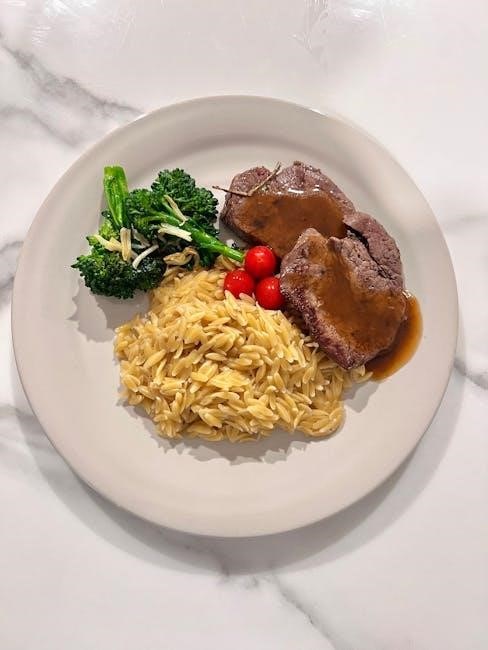
Hamburger Helper Beef Pasta: A Comprehensive Guide
Navigating the world of quick and easy dinners, this guide focuses on the beloved Hamburger Helper Beef Pasta. We’ll explore preparation, customization, and troubleshooting, ensuring a delightful meal every time.
Understanding Hamburger Helper Beef Pasta Varieties
The Hamburger Helper landscape offers a surprising diversity within the Beef Pasta category. While the classic “Beef Pasta” remains a staple, numerous variations cater to different preferences. These include options boasting bolder flavors, like “Lasagna” or “Cheesy Pasta,” each distinguished by its unique spice blend and sauce profile. Some varieties emphasize creamy textures, while others lean towards a more robust, tomato-based taste.
Beyond the core flavor, package sizes differ significantly. You can find boxes designed for “family size” servings, ideal for larger households, alongside smaller portions suitable for individuals or couples. Examining the ingredient list reveals subtle differences in pasta shapes and cheese types used. Understanding these nuances allows you to select the variety that best aligns with your culinary desires and household needs, ensuring a satisfying and personalized dining experience.
Popular Flavors and Their Key Ingredients
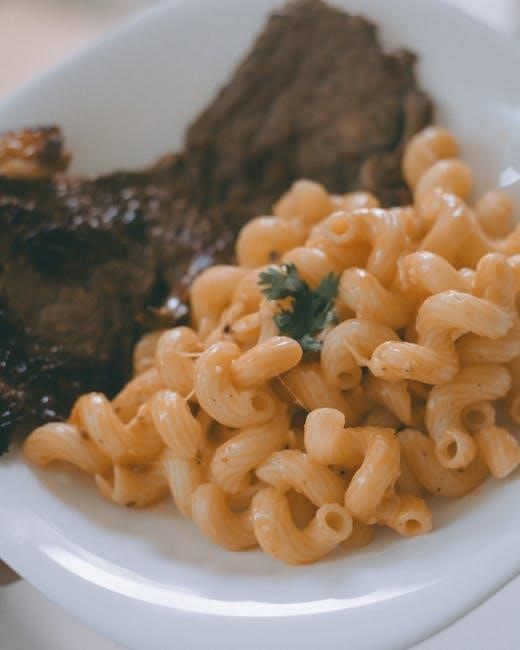
Several Hamburger Helper Beef Pasta flavors consistently rank as customer favorites. The original “Beef Pasta” relies on a blend of seasoned beef, pasta (typically elbow macaroni), and a creamy cheese sauce. “Lasagna” flavor incorporates Italian seasoning, mimicking the layered dish with ricotta-style cheese powder. “Cheeseburger Macaroni” delivers a distinctly cheeseburger taste, utilizing cheddar cheese and onion seasoning.
Key ingredients across these flavors include modified food starch, whey, and various artificial flavors. Seasoning packets contain salt, spices (like garlic powder and paprika), and disodium phosphate. The pasta itself is often enriched wheat flour. Understanding these core components helps explain the consistent texture and taste profiles; Variations in spice blends and cheese powders are what truly differentiate each flavor, offering a range of options to satisfy diverse palates and preferences within the Hamburger Helper family.
Essential Ingredients for Beef Pasta Helper
Creating a satisfying Hamburger Helper Beef Pasta dish requires a few key components. Ground beef, typically 80/20 for flavor, forms the protein base. One box of Hamburger Helper Beef Pasta, containing the pasta and seasoning packet, is crucial. A liquid component – water, milk, or broth – is necessary to create the sauce. The choice impacts richness; milk yields a creamier result, while broth adds depth.
Optional, yet highly recommended, additions include cooking oil (vegetable or olive) for browning the beef, and cheese for extra flavor. Cheddar is classic, but Monterey Jack or a blend work well. Salt and pepper, though often included in the seasoning, allow for personalized taste adjustments. Having these ingredients readily available ensures a smooth and enjoyable cooking process, resulting in a comforting and flavorful meal for the whole family.
Required Cooking Utensils
Successfully preparing Hamburger Helper Beef Pasta necessitates a few essential kitchen tools. A large skillet or pot, ideally non-stick, is paramount for browning the ground beef and combining all ingredients. A stirring spoon or spatula, preferably heat-resistant, is needed for consistent mixing and preventing sticking. Measuring cups and spoons ensure accurate liquid ratios, crucial for achieving the desired sauce consistency.
A colander isn’t strictly required, as the pasta cooks directly in the sauce, but can be useful for draining excess liquid if needed. A can opener is essential if using broth. Finally, serving spoons or ladles facilitate portioning the finished dish. Having these utensils prepared beforehand streamlines the cooking process, making it quick and efficient, and ultimately enhancing your Hamburger Helper experience.

Step-by-Step Cooking Instructions
Embark on a culinary journey with our simplified guide! Brown the beef, add pasta and seasoning, introduce liquids, simmer, and stir – enjoy a comforting meal;
Preparing the Ground Beef
The foundation of a flavorful Hamburger Helper lies in properly prepared ground beef. Begin by placing a large skillet or pot over medium-high heat. Add approximately one pound of ground beef – 80/20 blend is recommended for optimal flavor and moisture. Break the beef apart with a spoon or spatula as it begins to brown.
Ensure even cooking by stirring frequently, preventing large clumps from forming. Continue cooking until the beef is fully browned and no longer pink, typically around 7-10 minutes. Drain off any excess grease carefully to avoid splattering. This step is crucial for preventing a greasy final dish.
For enhanced flavor, consider adding a pinch of salt and pepper during the browning process. Some cooks also like to incorporate a dash of garlic powder or onion powder at this stage. Properly browned beef provides a rich, savory base for the entire pasta dish, setting the stage for a delicious and satisfying meal.
Adding the Pasta and Seasoning Packet
With the ground beef browned and drained, it’s time to introduce the pasta and signature seasoning. Pour the contents of the Hamburger Helper seasoning packet directly into the skillet with the beef. Stir well to coat the beef evenly, ensuring every piece is infused with the savory spices. This step is vital for distributing the flavor throughout the dish.
Next, add the pasta specified on the package – typically elbow macaroni or similar small pasta shapes. Stir again to combine the pasta with the seasoned beef. The seasoning packet contains a carefully balanced blend of flavors designed to complement the beef and pasta, creating the classic Hamburger Helper taste.

Ensure the pasta is evenly distributed within the beef mixture. This initial mixing helps prevent sticking during the simmering process and contributes to a more uniform texture in the final product. Now, you’re ready to add the liquid and begin the simmering phase.
The Liquid Ratio: Water, Milk, or Broth?

The liquid you choose significantly impacts the final creaminess and flavor of your Hamburger Helper. The box instructions typically call for water, offering a straightforward and economical option. However, substituting milk for some or all of the water creates a richer, creamier sauce, enhancing the overall indulgence.
For a deeper, more savory flavor profile, consider using beef broth instead of water. This adds an extra layer of umami that complements the beef beautifully. A combination of milk and broth can also provide a balanced result – creamy texture with enhanced savory notes.
Generally, the package directs a specific amount of liquid. Adhering to this ratio is crucial for proper pasta cooking and sauce consistency. Deviating too much can result in either mushy pasta or a dry, clumpy dish. Always measure carefully for optimal results!
Simmering and Stirring for Optimal Texture
Achieving the perfect Hamburger Helper texture relies heavily on proper simmering and consistent stirring. After adding the liquid and seasoning packet, bring the mixture to a gentle simmer – not a rolling boil. A simmer ensures the pasta cooks evenly without becoming overly soft or sticking to the bottom of the pot;
Regular stirring is absolutely essential, particularly as the pasta absorbs the liquid. This prevents sticking, distributes the seasoning evenly, and encourages the sauce to thicken properly. Aim to stir every few minutes, scraping the bottom and sides of the pot to dislodge any potential sticking points.
The simmering time indicated on the package is a guideline. Check the pasta for doneness a few minutes before the suggested time. Continue simmering and stirring until the pasta is tender and the sauce has reached your desired consistency.
Customization and Variations
Elevate your Hamburger Helper experience! Explore adding vegetables, adjusting spice levels, experimenting with cheeses, or substituting proteins for a personalized, flavorful dish.
Adding Vegetables for Enhanced Nutrition

Boost the nutritional value and flavor profile of your Hamburger Helper Beef Pasta by incorporating fresh or frozen vegetables. This simple addition transforms a convenient meal into a more balanced and satisfying experience. Consider adding vegetables during the browning stage of the ground beef, allowing them to soften and release their flavors.
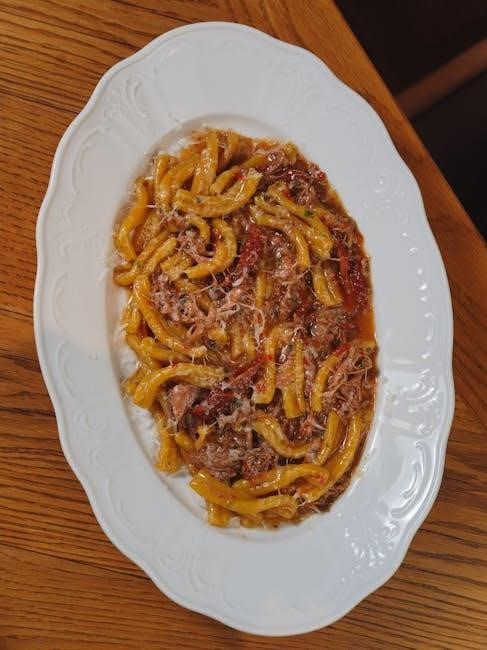
Excellent choices include diced onions, bell peppers (any color), mushrooms, zucchini, or even spinach. Frozen peas and carrots are also convenient options, adding a touch of sweetness and vibrant color. For a heartier meal, incorporate chopped broccoli or cauliflower florets. Remember to adjust cooking times accordingly, ensuring the vegetables are tender-crisp before proceeding with the recipe.
Adding about one to two cups of chopped vegetables is generally sufficient, but feel free to adjust the quantity based on your preference. Don’t be afraid to experiment with different combinations to discover your favorite vegetable blend!
Spice Level Adjustments
Hamburger Helper Beef Pasta offers a convenient base, but tailoring the spice level to your preference is easily achievable. For those who enjoy a mild flavor, simply use the seasoning packet as directed. However, if you crave a bolder kick, several additions can elevate the heat.
A pinch of cayenne pepper, red pepper flakes, or a dash of hot sauce can introduce a subtle warmth. For a more pronounced spice, consider adding a finely chopped jalapeño or serrano pepper during the beef browning stage. Smoked paprika also contributes a delightful smoky heat.
Conversely, if you find the seasoning packet too spicy, a dollop of sour cream or plain yogurt stirred into the finished dish can help mellow the flavors. A sprinkle of sugar can also balance the heat. Start with small increments of any spice addition, tasting as you go, to achieve your desired level of heat.
Cheese Choices: Beyond Cheddar
While cheddar is a classic pairing with Hamburger Helper Beef Pasta, exploring other cheese options can significantly enhance the flavor profile. Monterey Jack offers a mild, buttery taste and excellent melting properties, creating a creamy texture. Pepper Jack introduces a subtle spice, complementing the beef and pasta beautifully.

For a more robust flavor, consider Colby Jack, which combines the mildness of Colby with the sharpness of Monterey Jack. Mozzarella provides a stretchy, gooey texture, ideal for cheese lovers. A sprinkle of Parmesan cheese after serving adds a salty, umami-rich finish.
Experimenting with blends is also encouraged! Combining cheddar with Monterey Jack or Pepper Jack creates a balanced and flavorful experience. Don’t be afraid to get creative and discover your perfect cheese combination to elevate your Hamburger Helper Beef Pasta to new heights.
Protein Alternatives (Turkey, Chicken)
For a lighter or different flavor profile, substituting ground beef in Hamburger Helper Beef Pasta with turkey or chicken is a fantastic option. Ground turkey, particularly a blend with some fat, provides a leaner protein source while still delivering a satisfying texture. Adjust seasoning slightly, as turkey has a milder taste than beef.
Ground chicken offers an even lighter alternative, but may require a touch more seasoning to compensate for its delicate flavor. Ensure the chicken is fully cooked through, as it’s crucial for food safety. Both turkey and chicken absorb the seasoning packet flavors well, creating a familiar yet distinct taste.
When using poultry, consider adding a teaspoon of poultry seasoning to enhance the flavor. Remember to adjust cooking times slightly, as poultry generally cooks faster than beef. These substitutions offer versatility and cater to different dietary preferences without sacrificing the convenience of Hamburger Helper.
Troubleshooting Common Issues
Encountering problems with your Hamburger Helper? This section addresses frequent concerns like mushy pasta, sauce consistency, dry beef, and burning, offering quick fixes for success!
Pasta is Mushy
Dealing with overcooked, mushy pasta is a common frustration when making Hamburger Helper. The primary culprit is often excessive cooking time or too much liquid. Remember, the pasta continues to absorb liquid even after you’ve removed the pot from the heat. To avoid this, start checking the pasta for doneness a few minutes before the package directions suggest.
Carefully monitor the simmering process. A gentle simmer is key; a vigorous boil will break down the pasta. If you suspect you’ve added too much liquid, briefly increase the heat to encourage some evaporation, stirring constantly to prevent sticking and burning.
Consider reducing the cooking time slightly in future attempts. Every stove and pot combination is different, so experimentation is valuable. Also, avoid stirring excessively, as this can also contribute to starch release and a mushy texture. A gentle stir every few minutes is sufficient.
Sauce is Too Thick or Thin
Achieving the perfect sauce consistency is crucial for enjoyable Hamburger Helper. If the sauce is too thick, gradually add small amounts of liquid – water, milk, or broth – while stirring continuously until you reach your desired consistency. Be cautious; adding too much at once can make it overly thin.
Conversely, a sauce that’s too thin requires a bit more simmering, uncovered, to allow excess liquid to evaporate. Stir frequently to prevent sticking and burning. A cornstarch slurry (1 tablespoon cornstarch mixed with 2 tablespoons cold water) can also be added as a last resort, but use sparingly to avoid a gluey texture.
Remember that the sauce will thicken as it cools. Therefore, err on the side of slightly thinner when adjusting. Precise liquid measurements are important, but slight variations in ingredients can affect the final result, so adjust accordingly.
Beef is Dry
Dry ground beef can ruin an otherwise perfect Hamburger Helper experience. To prevent this, ensure sufficient fat content in your ground beef – leaner options tend to dry out faster. Browning the beef properly is also key; don’t overcrowd the pan, and ensure all sides are browned to seal in moisture.
Adding a tablespoon of oil or butter when browning can further help retain moisture. During the simmering process, the liquid from the pasta and seasoning packet should adequately hydrate the beef. If dryness persists, add a splash of beef broth or water during the final simmering stages.
Stirring frequently also distributes the liquid evenly, preventing the beef from sticking and drying out. Avoid overcooking, as prolonged heat exposure will inevitably lead to dryness. Consider using a slightly higher liquid ratio if you consistently encounter this issue.
Burning on the Bottom of the Pot
A burnt bottom is a common frustration when making Hamburger Helper. Prevention starts with using a heavy-bottomed pot to distribute heat more evenly. Ensure the heat is set to medium, avoiding high temperatures that accelerate burning. Consistent stirring is absolutely crucial; scrape the bottom of the pot frequently to dislodge any sticking bits.
Adding the liquid (water, milk, or broth) immediately after the beef is browned helps deglaze the pot, lifting any browned bits and preventing them from scorching. If you notice sticking, reduce the heat immediately and add a small amount of liquid.
Avoid leaving the dish unattended during simmering. If burning occurs despite precautions, carefully transfer the unburnt portion to a new pot, discarding the burnt residue. A slow cooker can also be used to eliminate the risk of burning altogether, offering a gentler cooking method.