aqa biology a level textbook pdf

AQA Biology A Level equips students with a robust framework for exploring life sciences․ The textbook PDF offers concise explanations, diagrams, and practice questions that align with exam objectives, fostering deep understanding and exam readiness․ It aids revision and exam confidence daily now !
1․1 Overview of the Course and Its Importance
AQA Biology A Level is a curriculum that introduces students to the breadth of biological science․ The textbook PDF structures learning into units covering cellular biology, genetics, biochemistry, physiology, and ecology․ Each chapter aligns with the specification, ensuring essential concepts, terminology, and experimental methods are taught․ The PDF format offers flexibility: students can read, annotate, and revisit sections at their own pace, while teachers can integrate the material into lesson plans and assessment strategies․ The course emphasizes critical thinking, data analysis, and the application of theory to real‑world contexts, preparing learners for university study and professional practice․ Mastery of the content develops a solid foundation in scientific reasoning, ethical considerations, and communication of complex ideas․ The importance of this course extends beyond exam preparation; it cultivates lifelong curiosity about the living world, equips students with skills relevant to careers in health, research, and environmental stewardship, and fosters decision‑making in society shaped biology․ The PDF includes visual aids such as diagrams, flowcharts, and tables that illustrate processes like photosynthesis, cellular respiration, and genetic inheritance․ Interactive elements, such as clickable links to external resources, enhance learning․ Practice questions and model answers mirror exam style, allowing students to benchmark progress․ Teachers can use the PDF to track understanding, identify misconceptions, and tailor support․ The resource is regularly updated to reflect specification changes, ensuring current information․ Overall, the AQA Biology A Level textbook PDF is indispensable for academic achievement, intellectual growth, and future career prospects!!! !!

Understanding the Syllabus
Key topics․ The syllabus outlines core units, assessment objectives, and key concepts․ It guides textbook structure, ensuring coverage of cellular biology, genetics, physiology, ecology, and evolution․ Students use the PDF to align study with exam criteria, track progress, and identify focus areas․
2․1 Core Topics Covered in the Textbook

The AQA Biology A Level textbook PDF is meticulously organized around the core topics mandated by the syllabus, ensuring that every essential concept is addressed with clarity and depth․ At the cellular level, students explore the structure and function of organelles, membrane transport mechanisms, and the biochemical pathways that sustain life․ The genetics section delves into DNA replication, transcription, translation, and the mechanisms of inheritance, providing detailed explanations of Mendelian and non‑Mendelian patterns, mutation types, and the molecular basis of genetic disorders․ Physiology chapters cover human systems such as the nervous, endocrine, cardiovascular, respiratory, digestive, and immune systems, illustrating how these systems interact through feedback loops and hormonal regulation․ In ecology, the textbook examines ecosystems, energy flow, biogeochemical cycles, and the impact of human activity on biodiversity, while evolution units trace the evidence for common ancestry, natural selection, speciation, and phylogenetic analysis․ Each core topic is reinforced with illustrative diagrams, real‑world examples, and practice questions that mirror the assessment format, enabling students to apply theoretical knowledge to practical scenarios and exam questions effectively․ Students can use the PDF to review assessment objectives, track progress, and identify gaps in understanding․ The interactive features such as hyperlinks to key terms and embedded quizzes enhance engagement․ The textbook also aligns with the AQA specification, ensuring that practice questions reflect the style and difficulty of the actual exam, which helps students build confidence and exam technique․
Key Components of the Textbook
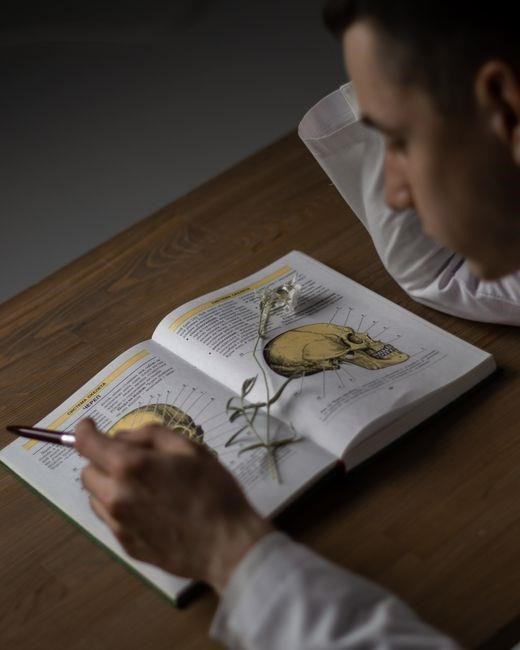
The PDF contains structured chapters, detailed diagrams, and real‑world case studies․ Each section links theory to practice, with embedded quizzes, key term boxes, and revision notes․ Interactive elements help students track progress and reinforce concepts for exam success․ Boosts recall!!
3․1 Chapters, Illustrations, and Practical Examples
The AQA Biology A Level textbook PDF is meticulously organized into distinct chapters that mirror the official syllabus, each beginning with a clear learning objective․ Chapter titles such as “Cell Structure and Function,” “Genetics and Evolution,” and “Ecology and Environment” guide students through progressive complexity․ Within each chapter, high‑resolution illustrations—ranging from detailed cell diagrams to ecological food webs—serve as visual anchors that clarify abstract concepts․ The PDF also features practical examples drawn from contemporary research, laboratory protocols, and real‑world case studies․ For instance, the genetics section includes a step‑by‑step protocol for PCR, complete with reagent lists and troubleshooting tips, while the ecology chapter presents a case study on the impact of invasive species on local biodiversity․ These examples bridge theory and practice, allowing students to apply textbook knowledge to experimental design and data interpretation․ Additionally, each chapter concludes with a set of end‑of‑chapter questions that test comprehension, analytical skills, and the ability to synthesize information across topics․ The questions are categorized into multiple‑choice, short answer, and extended response formats, reflecting the variety of assessment styles encountered in the AQA exam․ By integrating chapters, illustrations, and practical examples, the PDF provides a holistic learning experience that supports both conceptual understanding and exam readiness․!!!!!

How to Access the PDF

To obtain the official AQA Biology A Level textbook PDF, visit AQA website and log in with your student credentials․ Navigate to the “Resources” section, select the relevant year group, and download the PDF directly․ If unavailable, contact your teacher for a link․!!!
4․1 Official Distribution Channels
Students and educators can obtain the AQA Biology A Level textbook PDF through several legitimate routes․ The primary source is the AQA official website, where registered users can log in to the “Resources” section and download the latest edition․ Teachers may also receive a bulk licence that allows them to distribute copies to their classes via the AQA Teacher Portal․ Amazon UK & Blackwell’s offer topdownloads․ Schools often maintain a central library system that hosts the PDF for student access, typically managed through the school’s learning management system (LMS)․ For those who prefer a physical copy, the same retailers also offer printed versions that can be scanned and shared within the bounds of copyright law․ It is essential to verify the source’s legitimacy by checking for official AQA branding and secure HTTPS links․ Purchasing through these channels ensures that the material is up‑to‑date, includes the latest exam specifications, and complies with all copyright regulations․ Using unofficial sites can expose users to incomplete or outdated content, and may violate intellectual property rights․ By following these official distribution channels, students and teachers can confidently rely on accurate, exam‑ready resources while staying within legal boundaries․ These channels offer up‑to‑date content that meets exam standards․ Students should securely store the PDF, respect copyright, and use it as primary study tool, reviewing each chapter thoroughly․

Benefits of Using the PDF
Using the PDF gives instant, portable access to up‑to‑date content, enabling study anywhere․ It includes hyperlinks, searchable text, and diagrams that enhance understanding․ Students can annotate, highlight, and revisit key concepts, boosting revision and exam readiness․ This aids fast revision․
5․1 Accessibility and Study Flexibility
The AQA Biology A Level PDF offers unparalleled accessibility, letting students study on smartphones, tablets, or laptops without the need for physical copies․ Its searchable text feature allows quick location of terms and concepts, while built‑in hyperlinks connect related topics, fostering integrated learning․ Students can annotate directly, using color‑coded highlights to emphasize key points, and export notes for offline review․ The file’s lightweight size ensures fast download and smooth navigation even on low‑bandwidth connections, making it ideal for remote or international learners․ Moreover, the PDF’s compatibility with screen readers supports visually impaired students, promoting inclusive education․ By enabling flexible study schedules—whether during commutes, lunch breaks, or late‑night sessions—students can tailor revision to personal rhythms, improving retention and reducing exam anxiety․ The digital format also supports collaborative study: groups can share annotated versions, discuss questions, and track progress collectively․ Overall, the PDF’s accessibility and flexibility empower students to master complex biological concepts at their own pace, wherever they are․ Students often find the PDF’s interactive features, such as embedded quizzes and flashcards, invaluable for reinforcing memory, while the ability to bookmark pages and create custom study playlists enhances organization, keeps learning engaging across multiple subjects․
Potential Legal and Ethical Considerations
Students must obtain the PDF through official channels to respect copyright laws․ Illicit sharing or downloading infringes property rights and may lead to penalties․ Practices involve citing sources and sharing with allowed peers․ Use guides OK․
6․1 Copyright Issues and Proper Use
Students and educators should be mindful of the legal frameworks that govern the distribution and use of AQA Biology A Level textbooks․ The copyright holder retains exclusive rights to reproduce, distribute, and adapt the material․ Unauthorized sharing—whether through peer‑to‑peer networks, public file‑sharing sites, or unapproved digital repositories—constitutes infringement and can expose users to civil liability or criminal sanctions․ To comply with the law, individuals should only obtain the PDF from official distributors, such as the publisher’s website or licensed educational platforms․ When using the text for study or teaching, the principle of ‘fair use’ or ‘fair dealing’ may apply, but only in limited circumstances: short excerpts for critique, commentary or educational purposes, provided the source is cited and the material is not the core of the work․ For larger extracts, a license agreement or written permission is required․ Educators must avoid reproducing text without permission․! Proper citation practices, including author, title, edition, and page numbers, not only respect intellectual property but also enhance academic integrity․ Finally, institutions should implement policies that educate students about copyright, encourage the use of open‑access resources, and promote responsible digital behavior․ By adhering to these guidelines, users can enjoy the benefits of the textbook while upholding legal and ethical standards․

Tips for Effective Study Using the PDF
Use the PDF’s built‑in annotations to mark key concepts, then create flashcards from highlighted sections․ Schedule spaced reviews, mix active recall with diagram labeling, and link new facts to real‑world examples for deeper retention Use spaced repeat․
7․1 Annotation, Highlighting, and Revision Techniques
Annotation is the cornerstone of mastering the AQA Biology A Level PDF․ Begin by reading a chapter and using the PDF viewer’s sticky notes to jot down definitions, key terms and any questions that arise․ Highlighting should be strategic: use a bright yellow for new concepts, a light blue for processes, and a pale green for examples that link theory to real‑world biology․ After each session, create a mind‑map that connects highlighted sections, ensuring you see the relationships between cellular mechanisms, genetics, and ecological systems․ When revising, switch between active recall and spaced repetition: test yourself on the annotated points, then revisit them after 24, 48, and 72 hours․ Incorporate the PDF’s practice questions by marking correct answers and reviewing explanations in the margin․ Finally, schedule weekly summary sessions where you consolidate all annotations into a single study sheet, using colour‑coded tabs to separate core topics such as cell biology, genetics, and physiology․ This systematic approach turns passive reading into active learning, boosting retention and exam confidence․
Use the PDF’s built‑in search to locate key terms quickly, and cross‑reference them with your notes․ When you encounter a diagram, annotate it directly, labeling each part and noting its function․ This visual reinforcement aids recall during exams․ Regularly revisit your annotations, especially before tests, to keep concepts fresh․ Consistent practice turns these strategies into lasting study habits․ Add a quick review each week daily!!․

Additional Resources and Support
Beyond the textbook PDF, students can tap into forums, revision sites, and past papers․ Study groups share insights, while video tutorials break down complex topics․ Official AQA resources provide updates, and peer‑reviewed notes enhance understanding, ensuring comprehensive preparation․
8․1 Online Communities, Revision Guides, and Past Papers
Students seeking to master AQA Biology A Level often turn to a network of online communities, where peer discussion and expert advice converge․ Platforms such as Physics Forums, Reddit’s r/biology, and dedicated AQA forums provide spaces for asking targeted questions, sharing study strategies, and clarifying exam techniques․ These communities thrive on real‑time interaction, allowing learners to receive instant feedback on complex topics like cellular respiration or genetic inheritance․
Revision guides complement textbook PDFs by offering concise summaries, concept maps, and practice questions tailored to the AQA syllabus․ Many publishers release downloadable guides that align with each chapter, enabling students to focus on key learning outcomes․ Interactive tools—flashcards, quizzes, and video explanations—further reinforce retention, especially for visual learners․ By integrating these guides with the textbook, students can create a layered study approach that balances depth with breadth․
Past papers are indispensable for exam preparation․ AQA publishes official past papers and mark schemes, which are freely available on the AQA website․ Practising with these documents helps students become familiar with question formats, time management, and the level of detail required in answers․ Additionally, community members often share annotated solutions and discussion threads that dissect each question, offering insight into examiner expectations․ Regularly reviewing past papers, coupled with targeted revision guides, equips students to tackle the exam with confidence and precision․
Students benefit from revision plans, setting weekly goals and tracking progress․ This approach ensures steady coverage of all syllabus areas, preventing cramming․